








Patricia (Patty) Koetzner, the incoming 2027 Chair of the Security Traders Association (STA), plans to focus on strengthening the organization’s regional affiliates, attracting younger professionals and ensuring the trading industry’s voice is heard as U.S. market structure continues to evolve. Koetzner is Managing Director, Equity Sales and Trading, at Siebert Williams Shank & Co., a minority-owned broker-dealer. A longtime STA Board member and two-term Past President of the Security Traders Association of New York (STANY), she brings more than 25 years of industry involvement and a background in equity trading to the role.
In an interview with Traders Magazine, Koetzner discussed her priorities for 2027, the challenges posed by tokenization, artificial intelligence and the prospect of 24/7 trading, as well as the importance of creating more opportunities for women and the next generation of trading professionals.
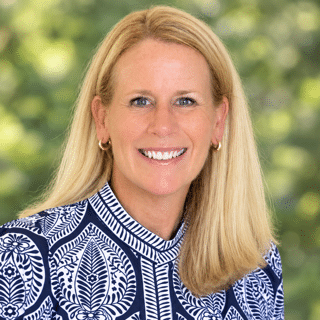
As you prepare to take on the role of STA Chairwoman in 2027, what does this appointment mean to you personally and professionally?
This appointment is a profound personal honor that reflects the trust our members have placed in me after years of involvement with STA at the local and national levels, and a professional responsibility I am grateful to accept. Professionally, it means leading an organization whose core purpose since 1934 has been to serve as a rational, practitioner-driven voice for the people who make our markets work and advocate for sound market structure.
What are your main priorities for STA in 2027, and what would you like to accomplish during your tenure?
My main priority for 2027 is to continue and build on the affiliate-focused work that 2026 Chair Kevin Skarbek and I began, partnering closely with our 16 STA affiliates to grow membership through a clear, tailored value proposition for each one. That includes helping affiliates establish or strengthen their Women in Finance and Young Professional groups and equipping leadership with timely information and resources so they can educate members on key industry issues.
By strengthening these local foundations and the support we provide, we can expand STA’s reach, deepen engagement, and keep the organization a relevant resource for professionals across financial services.
What do you see as the most pressing challenges facing securities trading professionals in 2027, and how can STA help address them?
2027 will be a year of significant change for securities trading professionals, driven by SEC initiatives such as the Innovation Exemption, updates to Regulation NMS and the continued evolution of prediction markets, AI, ETFs, and options.
At the same time, the industry is moving toward tokenization and 24/7 markets that create both opportunities and real questions about market structure, liquidity, and investor protection.
STA’s role is to serve as a grassroots advocate that ensures the practitioner’s voice is represented in these discussions, helping members navigate the changes while focusing on solutions that make markets better for the people on the other end of the order. As Chairwoman, my responsibility is to keep that perspective front and center and to help our community respond thoughtfully and effectively.
How do you plan to strengthen engagement across STA’s membership and its regional affiliates?
One of the strengths of the STA Board is its geographical diversity, with several affiliates represented, which allows us to hear and exchange unique perspectives on how best to drive growth.
We strengthen engagement by working together rather than in silos – driving attendance, helping develop content, securing speakers, and supporting one another with ideas and resources.
By partnering closely with our affiliates in this way, we deepen connections across the membership and ensure every region has a meaningful voice in shaping the organization.
What experiences throughout your career have best prepared you for the role of STA Chair?
My professional background as an equity trader and practitioner gives me a strong understanding of how our equity markets operate. I started as an agency trader handling outbound flow, became an assistant Nasdaq trader, and later a market maker managing a list of securities before moving to the institutional side.
I have been attending STA conferences around the country for over 25 years and have many friends who are now in leadership roles at most of our 16 affiliates. I plan to draw on these relationships during my year as Chair.
As someone who sits at a small broker-dealer, I have a unique perspective. We partner with multiple industry participants to access the markets, which has given me the opportunity to engage with constituents across the industry and understand a wide variety of business models.
How can STA attract and engage the next generation of trading professionals?
I am pleased to see substantial progress in engaging the next generation of young professionals among our affiliates, and STA is doing our part to build on that momentum.
STANY recently launched its Emerging Leaders group, which has taken off with its own board and programming, and other affiliates are creating similar initiatives. We also hosted our first Young Professionals Forum at this year’s conference, which I am confident will become a regular part of the STA agenda.
Encouraging young talent to get involved in an organization like STA is a visible demonstration that we are willing to invest in their growth rather than simply extracting their effort.
How has the landscape changed for women in trading and financial services over your career? What more can the industry do to address the barriers that still exist for women?
The number of women working on trading desks has increased during my career; however, we still have work to do to continue attracting more young women to join our industry.
As an original member of STA’s Women in Finance (STA WIF) initiative and a past Chairwoman of STA WIF, I have seen firsthand how successful these types of programs can become at the local level.
I also currently chair STANY’s WIF initiative, and I have seen the impact these smaller groups can have within a local affiliate. They create opportunities for networking, mentorship, and career development that might not otherwise exist.
