

Thursday, January 29, 2026
More
    More

      Toward Regulatory Harmonization: SEC and CFTC Seek Unified Framework for Innovation

      On Monday, September 29, 2025, the Securities and Exchange Commission (SEC) and the Commodity Futures Trading Commission (CFTC) held a joint roundtable in Washington, D.C., focusing on regulatory harmonization between the two agencies. The event came after a joint statement from SEC Chairman Paul S. Atkins and CFTC Acting Chairman Caroline D. Pham, emphasizing a commitment to aligning regulatory frameworks to reduce investor costs and expand market choice.

      “It is a new day at the SEC and the CFTC, and today we begin a long-awaited journey to provide markets the clarity they deserve,” the chairs said in their joint statement. They highlighted the potential benefits of working together, from harmonizing product definitions and streamlining reporting requirements to coordinating innovation exemptions under existing authorities.

      The roundtable brought together regulators, industry leaders, and market experts to explore how closer cooperation could tackle longstanding regulatory challenges and enhance market efficiency. One of the panels, moderated by former CFTC Chair J. Christopher Giancarlo and former SEC Commissioner Troy Paredes, featured industry leaders including Stephen Berger (Citadel), Ryan Louvar (WisdomTree), Nick Lundgren (Crypto.com), JB Mackenzie (Robinhood Markets), Dave Olsen (Jump Trading Group), Sonali Theisen (Bank of America), and Brad Tully (J.P. Morgan).

      Louvar of WisdomTree underscored the ongoing jurisdictional challenges between the SEC and CFTC, particularly in defining digital assets: “As a registered fund provider with investments in commodity interests, we’ve had to navigate two bifurcated regulatory regimes.

      Former CFTC Chairman Giancarlo pointed out the discrepancies in data reporting requirements: “The CFTC wants 132 data fields, the SEC 148, and overseas regulators up to 227—with no alignment whatsoever,” he said. Giancarlo advocated for blockchain-based solutions that could allow regulators to monitor transactions in real time, effectively transforming the post-trade reporting regime into a streamlined, transparent system.

      Jump Trading Group’ Olsen highlighted how decentralized finance (DeFi) platforms and oracles—trusted data feeds for smart contracts—are already solving data problems. “Oracles aggregate real-world data to power trading models, and this space is wide open for further development,” he noted.

      The panel agreed that U.S. markets need to evolve toward 24/7 trading to keep pace with global markets and emerging digital assets. Lundgren of Crypto.com advocated for the U.S. to embrace 24/7 markets, stating: “If there’s a market for it, people should be able to trade it anytime. Markets like crypto and FX already operate 24/7 efficiently.” Robinhood Markets’s Mackenzie emphasized that market participants today are equipped to handle around-the-clock trading with proper staffing and technology.

      Sonali from Bank of America highlighted the importance of sequencing innovation with investor protection. “We need to ensure the ecosystem is ready and aligned to operate safely before moving markets to 24/7 trading,” she said. Louvar pointed out that trading is only half the equation; “settlement must also evolve”. “It’s about immediate settlement too. Blockchain offers a way to settle trades transparently and at low cost, benefiting end investors.”

      Olsen added that stablecoins are often viewed as a key solution for settling trades outside traditional Fed wire hours. However, he cautioned against the asymmetry in how stablecoins are treated compared to treasuries, calling for more clarity and regulatory frameworks. Tully from JPMorgan agreed, emphasizing the need for “regulatory wrappers” around extended trading hours and settlement mechanisms, including central bank facilities to manage risk.

      Former SEC Commissioner Troy Paredes introduced the concept of harmonization, noting that it can take many forms, from aligning rulebooks and processes to improving interagency communication. Tully suggested reviving joint advisory committees between the SEC and CFTC as a concrete step to foster collaboration and create actionable recommendations. Sonali advocated for formalized public-private partnerships to tackle key issues like blockchain definitions, investor protection, and record keeping. “A punch list of topics prioritized by sequence could help drive focused debate and coordinated action,” she said.

      Meanwhile, Mackenzie emphasized the need for deadlines to spur progress: “If there’s never a timeline, the status quo persists. We need to set goals, like moving to 24/7 trading, and let innovators lead the way while bringing incumbents along.” He also noted that international markets are moving quickly, and the U.S. risks losing competitiveness if it lags. Sonali added that while rapid innovation is critical, it must be balanced with safeguards to prevent unintended consequences. “Sequencing is key,” she said.

      The discussion highlighted a shared recognition among regulators and market participants that innovation in financial markets is inevitable and accelerating. However, aligning regulatory frameworks—between the SEC, CFTC, and globally—and building infrastructure to support 24/7 trading, immediate settlement, and real-time transparency will require deliberate, coordinated efforts.

      This roundtable represented a tangible step toward the vision laid out in the joint statement by Chairman Atkins and Acting Chairman Pham. They framed the initiative as “a pivotal step toward building more coherent and competitive U.S. markets.”

      “By working together to align our regulatory frameworks, the SEC and CFTC can reduce unnecessary barriers, enhance market efficiency, and create space for innovation to thrive,” they said.


      TXSE Group Inc announces SEC approval of Texas Stock Exchange

      TXSE Group Inc (TXSE Group) announced today that the U.S. Securities and Exchange Commission has formally approved the Texas Stock Exchange’s (TXSE) Form 1 registration to operate as a national securities exchange, a milestone decision that restores competition in America’s public markets.

      TXSE is the first fully integrated national securities exchange to receive SEC approval in decades. TXSE has already completed its proprietary order matching engine and exchange platform, incorporating the latest hardware and software to deliver low-latency performance, flexibility, and scalability in an evolving trading and regulatory environment.

      Importantly, TXSE will provide comprehensive listing solutions for corporate issuers and ETP sponsors that are aligned with their priorities and fully transparent. TXSE worked closely with the SEC staff throughout the approval and public comment process. 

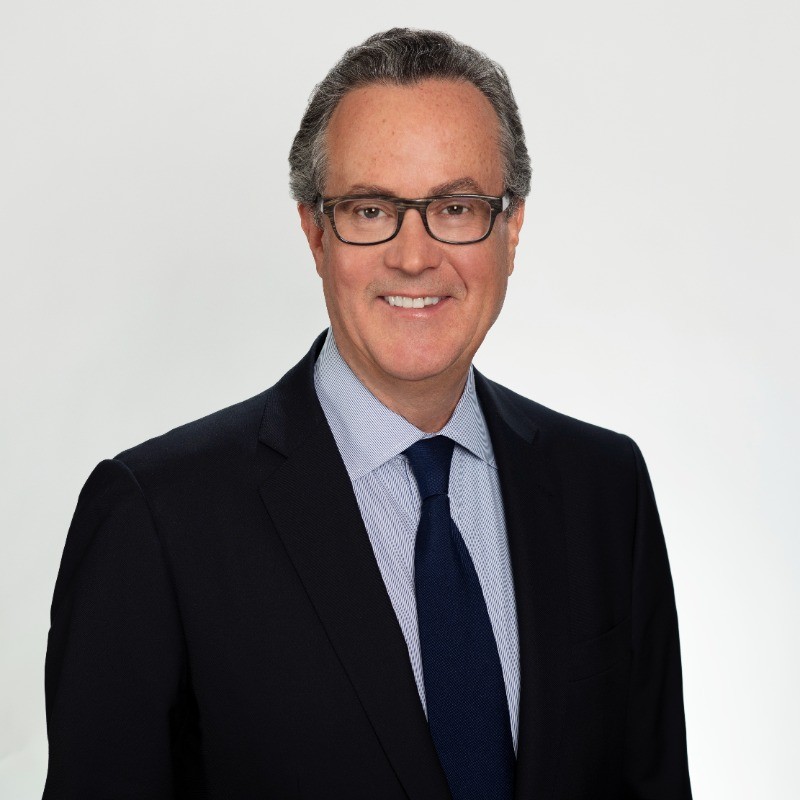
      “Today’s approval marks a pivotal moment in our effort to build a world-class exchange rooted in alignment, transparency, and partnership with issuers and investors,” said James H Lee, founder and CEO of TXSE and its parent company, TXSE Group Inc. “Real competition for corporate listings in the United States has finally arrived.”

      James H Lee

      TXSE will launch trading as well as ETP and corporate listings in 2026. Over the long run, TXSE’s mission is to reverse the decades-long decline in the number of U.S. public companies by reducing the burden of going and staying public while maintaining some of the highest quantitative standards in the industry.

      TXSE has already led the push for key legislative and legal reforms to strengthen Texas’ pro-business environment and establish the state as the premier jurisdiction for corporate headquarters, listings, and exchange operators. TXSE will continue working alongside Texas leadership to advocate on behalf of issuers and investors to reform policy at the state, federal, and regulatory levels.

      “The State of Texas has a long-term vision for driving economic growth, streamlining regulations, and building financial infrastructure as liquidity clusters shift to North Texas,” Lee said. “As the one and only national securities exchange built and headquartered in Texas, we are proud to have been the catalyst for the development of capital markets in our great state.”

      TXSE Group’s leadership team has more than 800 years of combined experience across the U.S. capital markets and with direct exchange operations. TXSE’s headquarters in Dallas opened this spring. 

      “From day one, our goal has been to build an exchange that earns the trust of the marketplace and aligns with the economic leadership of Texas and the southeast quadrant of the United States,” Lee added. “Our team of market veterans has worked steadily to bring TXSE to life. We’re excited to now launch operations.”

      TXSE is the most well-capitalized equities exchange to ever be approved by the SEC. Its founding investors include the world’s largest financial institutions, including prominent retail and institutional investment organizations, most major liquidity providers, and leading corporate executives from across the country.

      About TXSE Group Inc

      TXSE Group Inc is the parent company of the Texas Stock Exchange LLC.

      The Texas Stock Exchange (TXSE) is a fully integrated, electronic, national securities exchange headquartered in Dallas. Backed by some of the largest financial institutions and liquidity providers in the world, TXSE is focused on enabling U.S. and global companies to access U.S. equity capital markets. It is on track to provide a venue to list and trade public companies and the growing universe of exchange-traded products. TXSE is a wholly owned subsidiary of TXSE Group Inc. 

      More information is available at www.txse.com.

      Source: TXSE

      SEC Advances ETF Share Class

      The U.S. Securities and Exchange Commission has allowed Dimensional Fund Advisors to launch an exchange-traded fund (ETF) share class of an existing mutual fund, and the regulator is expected to quickly allow other fund managers to do the same.

      The ETF share class allows a share class of an existing mutual fund to trade as an ETF. This is already authorised in Europe, but had not been approved by the SEC.

      Nate Geraci, president of NovaDius Wealth Management, said:

      State Street’s 2025 Global ETF Megatrends Midyear Review highlighted that 70 U.S managers had filed to launch an actively managed ETF share class which is an efficient way of adding new investors. The portfolio management team only needs to manage one pool of assets with different share classes, while managing an active mutual fund and launching an active ETF for that strategy involves two different pools of assets.

      Frank Koudelka, State Street

      Frank Koudelka, global head of ETF solutions at State Street, told Markers Media in August this year that the firm was expecting the SEC to approve the ETF share class this year.

      “We are also bullish on the amount of products that we are going to see as a result,” Koudelka added. “We are excited as it will bring in new participants.”

      Eric Pan, president and chief executive of The Investment Company Institute (ICI) said in a statement: “ICI previously called on the SEC to prioritize approval of such exemptive relief, and we have been working closely with our members, intermediaries, service providers, and other key stakeholders to prepare the industry for this moment.”

       Eric Pan, ICI

      A paper from ICI in March this year, Reimagining the 1940 Act, encouraged the SEC to enable new or existing funds to offer both mutual fund and ETF share classes to promote efficiency and economies of scale and provide optionality for fund investors. At ICI’s ETF Conference in September, Kaitlin Bottock, assistant director in the Division of Investment Management at the SEC said that regulator was “on the one-yard line” on its approval of exemptive relief. ICI said it is actively developing new resources with key considerations for industry to implement this innovation.

      Todd Rosenbluth, head of research at TMX VettaFi said in an email to Markets Media that the index provider was also expecting SEC approval of ETF share classes of mutual funds and vice versa to occur in the fourth quarter of this year. He described the approval as a “key milestone” for the industry.

      Rosenbluth said a few firms such as Dimensional Funds were expected to be the first to move forward as they appear to have done the preparatory work to position their products to a new audience. While many other asset managers have filed to bring ETF share classes to existing mutual fund portfolios, TMX VettaFi expects  the vast majority to take a wait and see approach.

      “This is not like the approval of spot bitcoin ETFs in early 2024 when many firms raced out of the gate,” Rosenbluth added. “Once the seal is removed there is no turning back.”

      He expects many more firms to look to embrace the ETF share class in 2026.

       Amrita Nandakumar, Vident Asset Management

      Amrita Nandakumar, president of Vident Asset Management, said in an email to Markets Media that, despite the demand for this relief, it will be interesting to see which mutual fund sponsors actually avail themselves of this and how many will hang on to it as a nice to have.

      While getting regulatory approval for multi-share class is a huge step forward, Nandakumar said there is still quite a lot to be done. For example, broker-dealers will need  to manage the operational processes and technology that would allow for two different share class structures of the same fund to exist on the same platform.

      “There also has not been enough attention paid for the Regulation BI concerns that broker-dealers will face, i.e. do they have an obligation to move all clients invested in the mutual fund share class into the ETF share class if that would indeed be in their clients’ best interest?,” added Nandakumar. “Finally, given that ETFs do not have 12b-1 and other fees associated with them, what is the incentive for a broker-dealer to allow an additional ETF share class of the mutual funds that are already on the B/D’s platform?”

      FINRA Approves Overhaul of Pattern Day Trading Rules, Opens Doors for Smaller Investors

      The Financial Industry Regulatory Authority (FINRA)’s Board of Governors has approved a major overhaul of its pattern day trading (PDT) rules, marking a critical shift in how active retail trading will be governed moving forward.

      At its September meeting, the FINRA Board of Governors voted to replace the current PDT framework, most notably the $25,000 minimum equity requirement, with a more risk-sensitive intraday margin system. The decision is part of FINRA’s broader FINRA Forward initiative, a long-term effort to streamline regulation, adapt to technological advancements, and reduce unnecessary burdens on member firms.

      Under the proposed amendments, which will be filed with the Securities and Exchange Commission (SEC) for approval, the longstanding rule that designates an investor as a “pattern day trader” after four day trades in five business days will be scrapped in favor of applying standard Rule 4210 maintenance margin to intraday exposure. This marks the first fundamental overhaul of the PDT rule since its implementation in 2001.

      David Russell

      The reform follows a comprehensive retrospective review, during which FINRA solicited feedback from a wide array of stakeholders across the industry. From global investment banks to discount brokerages and retail-focused platforms, the consensus was clear: the PDT rule in its current form no longer reflects the reality of today’s markets.

      “This rule change reflects the view that active trading plays an important role in today’s markets,” said David Russell, Global Head of Market Strategy at TradeStation. “The $25,000 threshold, while originally designed to protect investors, may no longer align with current trading practices. Responsible day trading can improve market efficiency and widen participation. One man’s speculation is another man’s liquidity,” he told Traders Magazine.

      Russell also emphasized that reducing these barriers could encourage more participation among smaller retail investors, “boosting liquidity” and enabling dynamic price discovery in lesser-known or emerging securities.

      Industry supports the change

      The rule change has been met with widespread support across the financial industry, with firms ranging from global investment banks to retail-focused brokerages applauding FINRA’s willingness to modernize a regulation many view as outdated and unnecessarily restrictive.

      Morgan Stanley, in its comment letter to FINRA, expressed strong support for reform, citing the “significant technological and market structure changes” that have occurred since the PDT rules were introduced more than two decades ago. “The overnight settlement and investor protection concerns that the current rules were designed to mitigate no longer pose the same risks they did over two decades ago,” the firm wrote, adding that this is “given advances in real-time risk monitoring systems and steep reductions in self-directed trading commissions.”

      Morgan Stanley argued that broker-dealers with robust risk oversight programs should be allowed to opt out of PDT enforcement entirely and instead apply standard intraday margining protocols under Rule 4210. Even if elements of the current framework are retained, the firm advocated for a more modernized structure that increases the number of trades required to trigger PDT status, lowers the minimum equity requirement, and allows for dynamic intraday updates to buying power—steps it believes would better reflect today’s trading environment.

      Charles Schwab similarly welcomed FINRA’s retrospective review, calling the existing PDT rules “anachronistic” and “no longer necessary or appropriate.” The firm argued that the line between traditional brokerages and day trading firms has blurred, stating: “The types of services and market access that were previously unique to firms promoting day trading strategies are now commonplace.” Schwab took issue with the current requirement for separate account approvals and disclosures for firms allegedly promoting day trading, stating, “as a threshold matter, Schwab does not believe any firm promotes day trading as it was envisioned when the rule was first adopted.”

      Instead, the firm urged FINRA to eliminate these requirements, which it described as “unnecessary regulatory burdens,” and recommended merging PDT disclosures with existing margin disclosures to reduce overlap. Schwab emphasized that eliminating these legacy rules would not compromise investor protection, as “the continued application of the rules on communications with the public would be sufficient to deter such conduct and would provide a basis for FINRA to pursue violative conduct.”

      Interactive Brokers (IBKR) added its voice to the call for modernization, focusing specifically on the need for FINRA’s rules to reflect the widespread adoption of real-time margining systems. “FINRA should permit broker-dealer firms that use a real-time margining system to compute their clients’ day-trading buying power based upon the client’s real-time excess margin,” IBKR stated. The firm believes this adjustment would bring the rule in line with the “current state of broker-dealers’ technical capabilities” and better support effective risk management. While IBKR does not oppose maintaining a minimum equity threshold, it proposed that accounts subject to real-time margining either be exempt from the restrictive aspects of Rule 4210(f)(8)(B) or be permitted to compute buying power using real-time data. “In the interests of effective and efficient risk management, and in order to remain in-step with technological advancements made over the past 25 years, FINRA should adjust its PDT rule and interpretations,” the firm wrote.

      Among the more forward-looking proposals for reform came from Robinhood, which proposed a customer-driven approach that would empower investors to self-select their trading strategy.

      “FINRA should eliminate the day trade count as the determining factor for pattern day trader designation,” the firm argued. Instead, Robinhood suggested that investors should be able to opt in to PDT status after receiving enhanced disclosures and educational resources, at which point they would be granted day-trading buying power and be subject to its associated requirements. For investors who choose not to opt in, Robinhood recommended allowing them to continue trading under standard margin requirements—without arbitrary restrictions based on trade counts.

      This opt-in framework, Robinhood noted, aligns with the Industry Task Force recommendation from 2000, which suggested that investors are in the best position to determine how they plan to trade and how much they can afford to borrow. The Securities Industry Association supported that recommendation at the time, acknowledging that customer autonomy, when paired with proper disclosure, could be a more effective regulatory tool than rigid trading thresholds.

      Robinhood went further, stating that the current PDT rules no longer protect investors from losses but instead disenfranchise retail traders, particularly newer market participants. “Retail investors should be permitted to self-select their strategy, respond to moving markets, consider their individual trading time horizon, and maintain long-term relationships with a firm,” the firm said. Robinhood emphasized that modern brokerage systems are fully capable of tracking trading activity and managing exposure in real time, making the existing rules both outdated and unnecessarily restrictive.

      More reforms underway

      The Board’s actions weren’t limited to the PDT rules. As part of its regulatory modernization efforts, FINRA also approved amendments to its corporate financing rules to support capital formation without compromising investor protections. Additionally, the Board greenlit a revised proposal on outside business activity reporting, an update to the gifts rule increasing the limit from $250 to $300, and changes to Capital Acquisition Broker (CAB) rules that would allow CABs to represent both buyers and sellers in certain private placements and M&A transactions.

      Scott Curtis

      FINRA also discussed a forthcoming Regulatory Notice to consolidate guidance around negative consent for customer account transfers, aiming to simplify operations while maintaining compliance standards.

      The Board received updates on cybersecurity, a top priority as threats to financial infrastructure continue to grow, and on the Consolidated Audit Trail (CAT)—a national system designed to track all U.S. equity and options trades in real time. In addition, the Board reaffirmed its Financial Guiding Principles, reinforcing FINRA’s commitment to transparency and responsible financial stewardship.

      FINRA Board Chair Scott Curtis underscored that these reforms reflect the organization’s commitment to a modern, effective, and balanced regulatory framework.

      “The Board’s recent approval and discussion of various rule proposals are a key part of FINRA’s ongoing efforts to enhance its regulatory effectiveness and efficiency,” Curtis said.

      “We remain focused on enabling member firms to better serve investors and promote strong, fair, and accessible capital markets,” he concluded.

      Crypto Enters ‘Era of Substance’

      Nandini Sukumar, chief executive of the World Federation of Exchanges, said all of the organisation’s 300+ members, which include exchanges and clearinghouses, are at least thinking about tokenization.

       Nandini Sukumar, WFE

      Sukumar spoke on a panel at the annual Financial Markets Quality (FMQ) Conference on 25 September 2525 at the Georgetown Psaros Center for Financial Markets and Policy in Washington D.C. She said “every single one of our members” is thinking about tokenization in some way

      This is reflected in a newsletter from Jean-Marie Mognetti, chief executive of digital asset manager Coinshares International, who said in a newsletter that the convergence between digital assets and traditional finance is “more than cosmetic.”

      “We are entering a new chapter,” he added. “One where valuations reflect substance, tokens behave like shares, and regulation provides a clearer runway for innovation.”

       Jean-Marie Mognetti, CoinShares

      He claimed this evolution has the potential to lay the groundwork for a more resilient and interconnected digital asset market as capital is consolidating, rules are clearer, and sustainable structures are emerging to power the next stage of growth.

      Frank La Salla, president and chief executive at Depository Trust & Clearing Corporation, the U.S. financial market infrastructure, said on the panel that new technology and financial markets have always had an incredibly symbiotic relationship.

      La Salla said tokenization is moving very quickly and the conversation revolves around how to use blockchain, stablecoins, and maybe crypto,  to make a “really good financial services ecosystem even better” for the benefit of end investors.

      For example, there may be a need for dollar liquidity. In Asia on Monday morning, but the bank payment rails are closed on a Sunday night in the U.S. However, the use of a blockchain allows instantaneous transfer of cash and securities on-chain 24/7.

      La Salla said: “That is a game changer, and that’s just one example.”

       Tal Cohen, Nasdaq

      Tal Cohen, president at Nasdaq, said on the panel that the firm had made a regulatory filing to be allowed to trade tokenized stocks because it wants to be able to shape and influence the debate around market structure to make sure it is optimized for both issuers and investors, and modernize markets in a way that preserves market quality and investor protections.

      “The world is changing around us and platforms are emerging and growing around us,” said Cohen. “We have this unique opportunity to modernize and advance our markets.”

      Cohen highlighted the in equities most of the market is already dematerialized. However, Nasdaq recognizes that tokenization can bring benefits such as mobility, liquidity and increased accessibility.

      FIA’s Lukken Calls for “New Era” in SEC-CFTC Collaboration

      0

      WASHINGTON DC – FIA President and CEO Walt Lukken today participated in a joint meeting of the two main market regulators in the US – the Securities and Exchange Commission and the Commodity Futures Trading Commission.

      The joint meeting was organized for the purpose of promoting better collaboration between these two agencies, a goal that FIA has long championed as critical to effective oversight and intelligent regulation. 

      “I commend Chair Atkins and Acting Chair Pham for holding this roundtable and setting the stage for a new era in SEC-CFTC collaboration. An open dialogue is exactly what we need to improve collaboration between these two government agencies for the benefit of all market participants,” said Lukken. 

      The two agencies invited Lukken to draw on his experience in Congress and the CFTC to provide his insights on the history of coordination between the two agencies. Prior to leading FIA, Lukken worked for the Senate Agriculture Committee during the passage of the Commodity Futures Modernization Act of 2000. He subsequently served as a CFTC commissioner for seven years, which included leading the agency as acting chair during the financial crisis of 2008.  

      After leaving government service, he ran a derivatives clearinghouse regulated by the CFTC that required approvals from the SEC and Federal Reserve to operate its portfolio margining system. That experience gave him a real-world perspective on the challenges facing institutions subject to oversight by multiple regulators.  

      Summary 

      FIA urges the SEC and CFTC leadership to consider the following points as they work towards more effective collaboration.  

      • Smart regulation plays a critical role in the success of the US financial and commodity markets.
      • Effective collaboration among regulators is essential to ensuring proper oversight and a clear path to innovation.   
      • The pace of change is quickening. We must have a regulatory structure that can keep up. Flexibility and a pro-innovation mindset are critical.
      • Given the rapid evolution of financial markets technology, effective collaboration among regulators is critical to ensure that they can detect and prevent emerging forms of fraud, market manipulation and systemic risk. 
      • Failures to harmonize regulations across these two agencies in the past have resulted in impractical and unusable regulatory structures, most notably in the case of single stock futures.  
      • Establishing bright lines between jurisdictions and avoiding dual oversight and overlapping regulations will provide regulatory certainty and accountability, which are critical to allowing innovative products and business models to come to market.  
      • FIA recommends several actions that will improve collaboration between these two agencies to promote responsible innovation, conduct joint rulemakings, and create shared definitions and taxonomies.  
      • In the pursuit of effective collaboration, we must not jeopardize the specialized expertise that both agencies bring to the oversight and regulation of their respective core markets.  
      • Certain features of the CFTC approach to market regulation – including its exclusive federal jurisdiction, its reliance on principles rather than prescriptions, and its mission focus on innovation – have kept it nimble and adaptable as novel products and approaches have come online.

      Lukken statement on SEC-CFTC collaboration 

      To complement his remarks at the roundtable, Lukken released the statement below on the benefits of SEC-CFTC collaboration.  

      Strong market regulators = America first in finance  

      “America has the premiere capital and derivatives markets in the world. This is due, in no small part, to the United States having two best-in-class regulators for the markets they oversee.  

      “In the past 25 years, we have seen five different memorandums of understanding aimed at facilitating and encouraging coordination between the agencies, including one I signed with SEC Chair Chris Cox in 2008 around novel products.  

      “All have been well-intentioned. But, if we are honest, they have not been enough. We must approach the problem differently and, importantly, with the American public in mind.  

      “This roundtable is a great example of how we can go beyond well-intentioned statements and put in place meaningful, regular and structured engagement between the two agencies.  

      “Tone from the top is important. And public accountability is equally so. 

      The CFTC’s unique structure  

      “As we discuss ways to encourage innovation and coordination between agencies, I would note some of the provisions within the CFTC structure that have encouraged innovation in the derivatives markets over the years.  

      “It begins with the agency’s mission that requires the CFTC to promote responsible innovation and fair competition. With the passage of the CFMA, Congress also gave the agency principles-based regulation and self-certification of products and rules to provide flexibility and encourage new approaches. To promote responsible innovation, Congress also provided the agency with its 4(c) authority to exempt products out of its jurisdiction if, after public notice and comment, it deems it in the public interest. These tools, in combination with the agency’s exclusive jurisdiction and state preemption, have allowed the agency to foster new ideas and products over the years.  

      Harmonization can prevent failures  

      “As we think through ways to improve the harmonization between agencies, it may prove useful to discuss where jurisdictional disputes have led to regulatory and market failure. One example is security futures products.  

      “Single stock futures were banned in the US until passage of the CFMA in 2000. That law established a joint regulatory structure for the products with dual responsibilities for both agencies. While there was great excitement with the launch of this new class of products, only two exchanges ever registered as security futures exchanges and neither remains in business today. Critics blame the dual regulation for their demise. Others blame the equities-style margin requirement on a futures-style product. In many ways the product was doomed from its start.  

      What are the lessons to be learned?  

      “First and foremost, we need bright jurisdictional lines so people know what rules apply to which product to support the innovative nature of our markets. The markets want clear, legal certainty and one set of rules. I know Paul mentioned this last week, and I agree wholeheartedly.  

      “Second, dual regulation does not work. Regulatory systems are indeed holistic systems that make it difficult to pick and choose rules from two regulatory frameworks and expect that to work. These hybrid structures create uncertainty, unnecessary costs and lowest-common-denominator thinking.  

      “While we should avoid dual regulation, strong information sharing, cooperative examinations and coordinated enforcement are imperative to serve both agencies’ interests. This is similar to how domestic regulators have successfully recognized foreign regulatory approaches. If it works across international borders, surely it can work between two US agencies three miles apart.  

      “Lastly, political will and accountability matters. If harmonization is left to the respective staff members of both agencies, it will never be achieved. I have tremendous respect for the staff of both agencies, but their roles are to enforce their respective laws—not to take risks on innovative new structures. That is the role of the Commissions, and they must be the ones that drive harmonization.  

      “With those lessons, I offer these four suggestions to the Commissions.  

      Four ideas for the future  

      “First, the agencies should permanently reinstate the Joint Advisory Committee and amend its mission statement to include the promotion of responsible innovation in our markets. This will help bring public accountability and prioritization to the harmonization efforts of SEC and CFTC.  

      “Second, this Joint Advisory Committee should have the authority to conduct joint rulemakings on hybrid instruments that straddle securities and commodity futures. The agencies could discuss creating “safe harbors” for innovative products or expedited approval structures for market issues like portfolio margining. This could be enormously beneficial for new products like digital assets but also traditional assets like treasuries, security futures products and single-named credit default swaps.

      “Third, the Joint Advisory Committee could tackle creating shared definitions and taxonomies for hybrid instruments and digital assets. Developing a common language and approach to new products will be key to their success.  

      “Lastly, the agencies could begin cross-agency training and systematic secondment to improve the knowledge and trust levels of both agencies. Coordination requires trust and more cross-pollination among staff would surely benefit these efforts.  

      “The pace of change is undoubtedly quickening in our markets. We must have a regulatory structure that can keep up with the markets.”  

      ON THE MOVE: OneChronos Taps Douglas L. Peterson; SEC Names Jon Kroeper

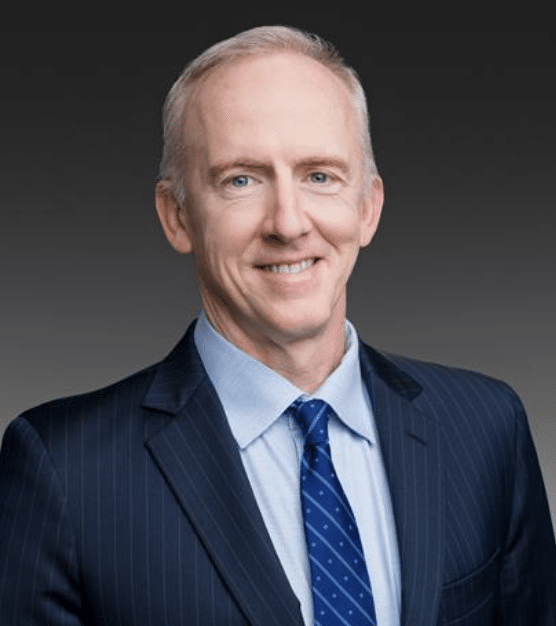
      Douglas L. Peterson

      Douglas L. Peterson, former CEO of S&P Global, has joined OneChronos as Executive Chairman, according to a LinkedIn post. Peterson will play a central role in strengthening institutional relationships, guiding global growth across asset classes, and scaling OneChronos’ trading model internationally. “We are now positioned to accelerate this transformation beyond equities into new global markets, including compute. I’m excited to help take OneChronos to an entirely new level,” he shared. Peterson brings more than three decades of leadership experience at the forefront of global finance. Prior to S&P Global, where he spent over 14 years, he was with Citigroup for 26 years, including as Chief Operating Officer of Citibank, N.A.

      Jon Kroeper

      The Securities and Exchange Commission (SEC) has announced that Jon Kroeper has been named deputy director of the agency’s Division of Trading and Markets, according to a press release. Kroeper twice served at the SEC before joining the Financial Industry Regulatory Authority (FINRA), where he worked from 2007 to 2024 as executive vice president in the market regulation department. During his first SEC tenure from 1994 to 2000, he was an attorney-advisor, senior counsel, and counselor to a commissioner. At the SEC from 2005 to 2007, Kroeper served as both counselor to a commissioner and counselor to the chairman, advising on rulemaking, enforcement, and policy matters before the Commission with an emphasis on market structure, exchanges, and broker-dealers.

      Adam Inzirillo

      Citigroup has appointed Adam Inzirillo, formerly of Cboe Global Markets, to lead its cash and futures execution platform within the equities division, Bloomberg reported, citing people with knowledge of the matter. In his new position, Inzirillo will take charge of Citi’s electronic execution services, with a focus on trading algorithms and direct market access solutions, Bloomberg reported. He is expected to join in October as the global head of the execution platform for the equities unit, reporting to Sebastien Mailleux, Citi’s global co-head of prime services. Inzirillo joined Cboe in 2019 as head of U.S. equities and was elevated to global head of data and access solutions in 2023 as part of a broader executive reshuffle.

      Ken Johnson, who has been serving as Chief Operating Officer (COO) of the Securities and Exchange Commission since December 2017, will retire from the agency in December, according to a press statement. As COO, Johnson has overseen the SEC’s operational and administrative functions, including the agency’s Office of Human Resources; Office of Acquisitions; Office of Financial Management; Office of Information Technology; EDGAR Business Office; Office of the Chief Data Officer; and Office of Support Operations, which includes the agency’s Freedom of Information Act, Records Management, and Facilities Management functions.

      Lucy Roe has joined Jefferies as vice president of equity sales, based in London, Global Trading reported. Roe replaces Lorraine Wyley, who left the firm for a high-touch equity trading role at Goldman Sachs in early September. Roe has more than five years of experience and joins the firm from HSBC, where she has been a technology, media and telecommunications (TMT) equity sales specialist since 2024. She began her career in a similar position at Berenberg.

      Commodity Futures Trading Commission Acting Chairman Caroline D. Pham has announced new members of the Global Markets Advisory Committee and subcommittees, which she sponsors. According to a press release, Scott Lucas, Managing Director, Head of Markets Digital Assets at J.P. Morgan, has been appointed co-chair of the GMAC’s Digital Asset Markets Subcommittee, together with co-chair Sandy Kaul, Executive Vice President at Franklin Templeton.

      Zoe Balkwell has joined Pirum as head of pre-trade and trading solutions, based in London, Global Trading reported. Balkwell has more than a decade of industry experience and joins the firm from JP Morgan, where she has been an executive director and EMEA head of flow trading and agency securities since 2020. Prior to this, she was a securities finance trader at State Street.

      If you have a new job or promotion to report, let me know at alyudvig@marketsmedia.com

      MFA Releases Principles on Accessing Alts in 401(k)s

      The five principles support investor choice and regulatory clarity as policymakers consider expanding access to alternatives. 

      MFA published a set of 401(k) principles in response to President Donald Trump’s Executive Order seeking to expand access to alternative assets in defined contribution retirement plans. The five principles are designed to support the expansion of investment options for retirement savers, reduce regulatory uncertainty for plan sponsors, and promote better investment outcomes for 401(k) account holders.

      “Retirement savers are best served by having access to a broad range of investment options that meet their long-term horizons,” said Bryan Corbett, MFA President and CEO. “These principles offer a roadmap to help policymakers empower fiduciaries and reduce legal uncertainty to improve retirement security for America’s workers.”

      Fiduciaries may choose to include alternative strategies for a variety of reasons, which can include enhancing returns, reducing volatility, and diversifying portfolios. MFA’s principles seek to help policymakers strike the right balance between fostering innovation in defined contribution plans and preserving safeguards that protect investors.

      MFA’s five principles are:

      1. Plan beneficiaries are best served with a flexible and wide range of investment options. This includes exposure to alternative investment strategies through target date or other asset allocation funds to help meet participants’ retirement savings needs.
      1. Regulatory clarification on alternative investment strategies should be investment strategy neutral. Plan fiduciaries are best equipped to select appropriate investment options for their participants – not policymakers.
      1. Professional investment managers and fiduciaries provide important risk management. They ensure alternatives are implemented responsibly and in line with fiduciary standards and have a duty to adhere to those standards.
      1. Fees should be evaluated based on the nature and breadth of the investment services being provided and the character of each plan and its participants. Cost alone is not a good metric when selecting investment options.
      1. Overzealous litigation must be addressed. It deters innovation and pushes plan sponsors toward commoditized investments at the expense of long-term returns.

      Read MFA’s full principles here.

      Source: MFA

      Navigating Change: Risk Management Strategies for the New Macro Regime

      0

      By Anthony Rousseau, Head of Brokerage Solutions, TradeStation

      As we enter the final stretch of 2025, markets remain gripped by an undercurrent of instability.

      Traders are navigating a never-ending landscape marked by recession fears, rising tariffs, geopolitical tensions, skepticism around Fed policy, and abrupt liquidity shifts. In this high-variance regime, one thing remains clear: the playbook for managing risk must evolve.

      In volatile environments like this, outsized returns are available, but only to those ready to persevere. Sophisticated and active traders understand that it’s not about having an edge – it’s about how well you manage risk when macro conditions continue to change overnight.

      The Macro Landscape: Liquidity Leads, Fiscal Dominance Drives

      Despite headlines fixated on the Fed’s next move, liquidity remains the real driver of risk asset performance, with the Treasury in control.

      We are no longer in a traditional monetary policy regime. This is a fiscal-dominant era, where sovereign debt issuance and active Treasury management have greater influence on markets than short-term Fed signaling.

      Yet traders continue to underestimate this power dynamic. They price in cuts, expecting the Fed to blink, but the real liquidity throttle is the Treasury issuance strategy. When issuance slows or liquidity injections emerge globally, markets rally. When issuance ramps and drains reserves, volatility spikes.

      This back-and-forth creates structural tension beneath markets. Volatility flares up around unexpected catalysts: policy surprises, geopolitical flare-ups or abrupt funding changes.

      Still, equity indices are climbing a wall of worry. Gold is leading among hard assets, signaling concerns over debt monetization, but the real standout asset is Bitcoin, which continues to reach all-time highs, driven by institutional adoption, sovereign interest and a structural supply squeeze in an increasingly liquidity-sensitive global system.

      Trading Behavior where the Smart Money is Rotating and Hedging

      In this new era, traders are adjusting and not panicking.

      We’re seeing clear rotation patterns across major asset groups, such as the Magnificent 7, Bitcoin, AI equities, financials, and even SPACs are showing signs of life again.

      Cash behavior reflects similar caution, but with more nuance in 2025. According to the 2025 Association for Financial Professionals (AFP) Liquidity Survey, 38% of organizations increased their U.S. cash holdings, while 16% reported a decrease a modest rebalancing from the more aggressive cash accumulation seen in prior years. Importantly, 61% of respondents indicated that safety remains their top investment priority, outpacing yield or liquidity concerns.

      Corporate treasuries are still holding elevated levels of cash relative to pre-pandemic norms, but the trend is gradually shifting toward more strategic deploymentrather than passive hoarding.

      This position aligns with what we’re seeing from sophisticated and active traders. They’re walking a tightrope while maintaining exposure to risk-on assets and hedging with precision. Reallocations are happening rapidly, driven by liquidity signals, cross-asset correlations, and volatility regimes.

      The more experienced traders are gravitating toward strategies with structural convexity and automated risk frameworks.

      Risk Management in a Volatile Macro Environment

      In this backdrop of fiscal dominance, headline noise and fast money rotations,risk management is not an option. It’s the only way to survive.

      The best traders are not just reacting to news in real-time; they’re running various strategies and structured frameworks that can flex with market conditions. Some of the tools and mental models traders are utilizing include the following:

      • Covered calls on high-beta names: generates yield while dampening exposure. These are particularly effective in sideways or choppy rallies, which are similar to what we see in mega-cap technology.
      • Spread trading: reduces directional risk and expresses views around dislocations – especially in sectors impacted by policy shifts or earnings dispersion.
      • Volatility-based position sizing: uses implied volatility to adjust notional exposure and avoid being oversized into uncertainty.
      • Macro hedging with futures: stay tactically long while protecting downside with index, bond or commodity futures hedges tied to fiscal or geopolitical events.

      Importantly, more traders are leveraging automation and AI-based toolsto filter noise and reinforce discipline. These systems can:

      • Monitor P&L in real-time
      • Trigger pre-set liquidation or reduction levels
      • Flag risk budget breaches
      • Identify opportunities across volatility regimes

      Above all,  traders must resist the urge to rewrite their strategy based on everyday headlines. The market is no longer trading on just growth or inflation; it’s trading liquidity flows, debt issuance mechanics, and global positioning.

      Build Systems and Strategies, Not Predictions

      The market doesn’t reward perfect forecasts. It rewards those who can endure the cycle.

      Risk-managed strategies are your defense against the chaos of abrupt macro shifts. You don’t need to predict every move, but it’s important to have a playbook in place that protects capital, captures opportunity, and adapts as the regime evolves.

      “Markets change. Rules change. But one truth never does – risk will find you if you don’t find it first. Every great trader knows the goal isn’t to win every trade – it’s to live to trade the next one.”

      Fidelity Investments Introduces Fidelity Trader+, Powerful Advanced Trading Platform

      0
      • With Fidelity Trader+™, powerful tools, custom charts, saved orders, and streaming data are seamlessly connected across dynamic web, desktop and mobile platforms
      • Fully integrated trading platform builds on Fidelity’s proven brokerage experience, award-winning capabilities and unparallelled value

      BOSTON, September 25, 2025 — Addressing current and future needs of the most advanced traders, Fidelity Investments® today announced the launch of Fidelity Trader+™, an integrated ecosystem that delivers real-time insights, dynamic visual analytics, and powerful trading tools across web, desktop and mobile. “

      Advanced traders have relied on Fidelity through decades of market action as they navigate various economic environments and build their wealth,” said Josh Krugman, SVP Brokerage. “Fidelity Trader+™ is an evolution of our best-in-class1 trading technology that brings together industry-leading execution speed with sophisticated tools in one integrated experience, making it seamless to accomplish trading goals from anywhere, anytime.”


      With its long history of supporting self-directed investors, Fidelity built this enhanced experience incorporating insights from its most active traders, who routinely use multiple platforms to generate ideas, conduct research, and execute trades. The Fidelity Trader+™ experience is fully connected across web, desktop, and mobile to ensure traders have the consistency, flexibility and powerful technology their strategies demand.

      “Staying connected to and having the pulse of the markets is essential for a successful trader,” Krugman added. “When news breaks or a price alert hits, it’s critical advanced traders can make their next move no matter where they are. Fidelity Trader+™ delivers that access to saved orders and positions instantly across the platform.”

      Fidelity Trader+™ builds on the deep value available to all self-directed investors at Fidelity, including proactive portfolio insights, $0 commissions for online U.S. stock and ETF trades, a complimentary tax-loss harvesting tool, and robust active trader services including dedicated support via phone, online chats, and social media.

      Offered free of charge, the enhanced experience includes:

      • Preferred tools, custom charts, and streaming data available across desktop, web, and mobile devices
      • Dynamic web, desktop and mobile platforms that let investors start a trade on one device and complete it on another, including an enhanced options experience
      • A downloadable desktop platform fully rebuilt from the ground up with advanced charting and research tools, a customizable interface, and integrated screen sharing with Fidelity trading specialists
      • Access to Fidelity Crypto® on mobile and web, with desktop integration in 2026
      • Free single score third party analyst ratings, custom alerts, and $0 commissions help trade with confidence

      Investors can explore Fidelity Trader+™ here: https://www.fidelity.com/trading/trading-platforms.

      About Fidelity Investments

      Fidelity’s mission is to strengthen the financial well-being of our customers and deliver better outcomes for the clients and businesses we serve. Fidelity’s strength comes from the scale of our diversified, market-leading financial services businesses that serve individuals, families, employers, wealth management firms, and institutions. With assets under administration of $16.4 trillion, including discretionary assets of $6.4 trillion as of June 30, 2025, we focus on meeting the unique needs of a broad and growing customer base. Privately held for 79 years, Fidelity employs more than 78,000 associates across the United States, Ireland, and India. For more information about Fidelity Investments, visithttps://www.fidelity.com/about-fidelity/our-company.

      ###

      Investing involves risk, including risk of loss.

      Views expressed are as of the date indicated, based on the information available at that time, and may change based on market or other conditions. Unless otherwise noted, the opinions provided are those of the speaker or author and not necessarily those of Fidelity Investments

      $0.00 commission applies to online U.S. equity trades and exchange-traded funds (ETFs) in a Fidelity retail account only for Fidelity Brokerage Services LLC retail clients. Sell orders are subject to an activity assessment fee (historically from $0.01 to $0.03 per $1,000 of principal). Other exclusions and conditions may apply. A limited number of ETFs are subject to a transaction-based service fee of $100. See full list at Fidelity.com/commission. Employee equity compensation transactions and accounts managed by advisors or intermediaries through Fidelity Institutional® are subject to different commission schedules.

      Fidelity Crypto® is offered by Fidelity Digital Assets®. Investing involves risk, including risk of total loss. Crypto as an asset class is highly volatile, can become illiquid at any time, and is for investors with a high risk tolerance. Crypto may also be more susceptible to market manipulation than securities. Crypto is not insured by the Federal Deposit Insurance Corporation or the Securities Investor Protection Corporation. Investors in crypto do not benefit from the same regulatory protections applicable to registered securities. Fidelity Crypto® accounts and custody and trading of crypto in such accounts are provided by Fidelity Digital Asset Services, LLC, which is chartered as a limited purpose trust company by the New York State Department of Financial Services to engage in virtual currency business (NMLS ID 1773897). Brokerage services in support of securities trading are provided by Fidelity Brokerage Services LLC (“FBS”), and related custody services are provided by National Financial Services LLC (“NFS”), each a registered broker-dealer and member NYSE and SIPC. Neither FBS nor NFS offer crypto as a direct investment nor provide trading or custody services for such assets. Fidelity Crypto and Fidelity Digital Assets are registered service marks of FMR LLC.

      Fidelity does not provide legal or tax advice. The information herein is general in nature and should not be considered legal or tax advice. Consult an attorney or tax professional regarding your specific situation.

      Fidelity Brokerage Services LLC, Member NYSE, SIPC,

      900 Salem Street, Smithfield, RI 02917

      Fidelity Distributors Company LLC,

      900 Salem Street, Smithfield, RI 02917

      National Financial Services LLC, Member NYSE, SIPC,

      245 Summer Street, Boston, MA 02205

      1225436.1.0

      ©2025 FMR LLC. All rights reserved.

      Fidelity Awards & Recognition: https://www.fidelity.com/why-fidelity/awards-recognition