








TD Securities (TDS) has announced the integration of its Public Finance business, previously operating out of TD Securities (USA) LLC, into TD Financial Products.
“With all municipal business consolidated into one entity, we can now present a unified offering to our customers across all aspects of the municipal market, including public finance, voice trading, algorithmic trading, and structured products,” said Matthew Schrager, Managing Director and Co-Head, Automated Trading, TDS.
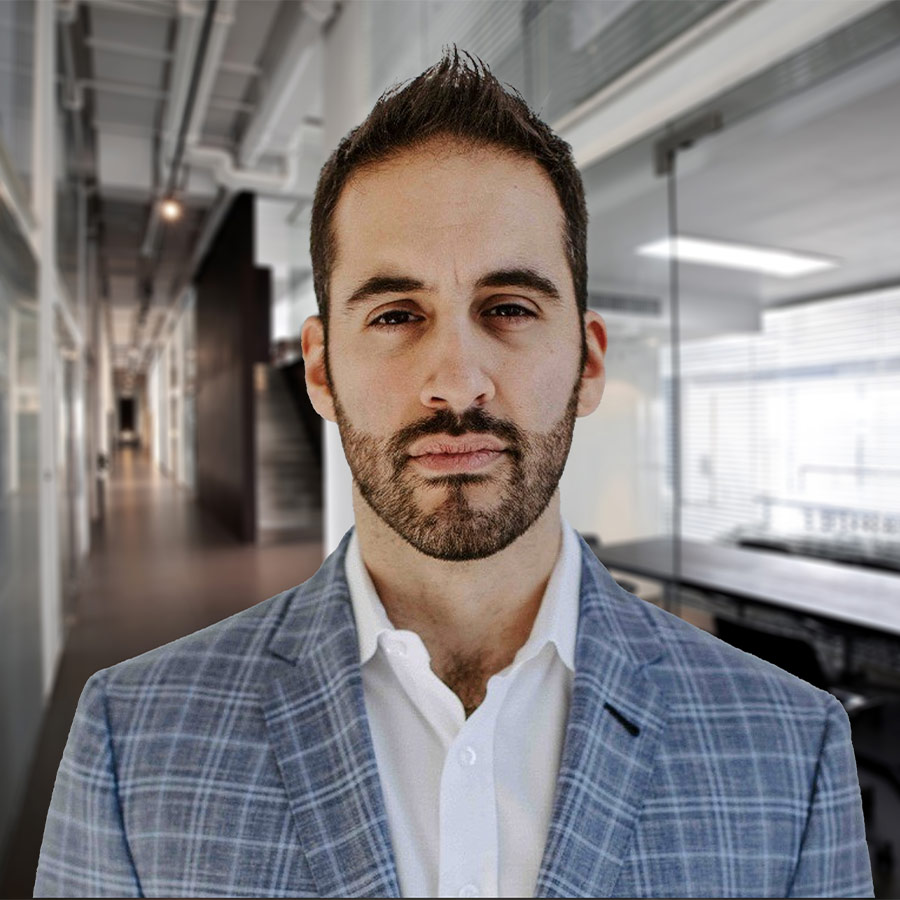
“This integration will also enhance our capabilities within these areas through more seamless internal collaboration. For example, we can now apply the modeling that drives our algorithmic business to other aspects of the market, such as public finance or voice trading. For clients, this means stronger liquidity and an enhanced ability to meet their needs,” he told Traders Magazine.
Martin (Marty) Mannion, Managing Director and Co-Head, TDS Automated Trading, added that the integration demonstrates TD Securities’ ability to “marry the best attributes of a fully automated trading business with a higher-touch institutional trading and underwriting franchise”.
“We see the opportunity to apply this to a number of different asset classes. This will drive greater engagement with our clients and improve the overall efficiency of our trading businesses,” he said.
The move aims to improve operational efficiency while supporting a more streamlined client experience. By combining TDS’s voice trading expertise with advanced algorithmic capabilities, the firm is working to offer a platform that balances personalized service with data-driven insights and modern trading tools.
“Existing clients will be massive beneficiaries of our combined offering. Our trading and sales teams will have access to an expanded suite of workflow tools, real-time analytics and pricing capabilities, all of which will drive increased engagement,” commented Mannion.
“Clients should expect to see higher response rates, more aggressive prices, and deeper liquidity on institutional-sized orders and greater participation in the new issue market. In addition, we are excited to work with clients to customize our offering to best fit their needs,” he added.
TDS’s voice trading desk will continue to play a central role in its services, now supported by improved analytical tools and a fully automated algorithmic solution. This combination is intended to give clients greater flexibility and more advanced options to address a wide range of financing and trading requirements.
According to Schrager, automation and technology are “critical, but by no means mutually exclusive with voice trading”.
Some parts of the market, such as smaller size orders, are more amenable to automation, and tend to be dominated by algorithmic approaches, he said, but other aspects of the market, such as large transfers of idiosyncratic risk, are more difficult to automate: “Voice trading will remain critical for those areas.”
“At the same time, we believe that the nature of voice trading will change over time, and that the role will become much more “hybrid” in nature. In addition to current tools, the voice trader of the future will leverage many of the same types of modeling and analytics that power algorithmic approaches. This will allow traders to be more precise and productive and allow them to better predict and service client needs,” Schrager said.
When asked how the integration reflects broader trends in the financial services industry, Schrager said that while he couldn’t speak for other firms, they see the seamless integration of voice and algorithmic approaches as a key part of the future of fixed income businesses.

“We’ve seen this story before: markets tend towards efficiency and automation over time, and systematic approaches are part of how that happens.The same trends have played out in other markets, such as equities and futures, and are in the process of manifesting in fixed income as we speak. Munis have been slower to adopt these trends, but the train has left the station, and we expect to see more of this kind of integration over time.”
As TDS evolves its business model, the firm is also working to attract and retain skilled professionals by creating an environment that brings together relationship-focused finance and advanced technology.
The ongoing integration efforts aim to support collaboration across these areas, reflecting the broader shift in the industry toward more technology-enabled financial services.
TDS plans to further evolve its hybrid platform of personalized service and advanced technology by building on the success of its recent acquisitions and integrations, such as Headlands Tech Global Markets and TD Cowen, according to Mannion.
“We’ll continue to focus on fostering collaboration across trading and technology teams, retaining and attracting the best talent, investing heavily in technology and listening to the needs of our clients,” he concluded.
