











In an interview with Traders Magazine, Caroline Bansraj, Chief Operating Officer at SCRYPT, discusses the changing role of operations, institutional demand for digital assets, the impact of regulation and technology, and the importance of sponsorship in helping more women reach senior leadership roles in finance.
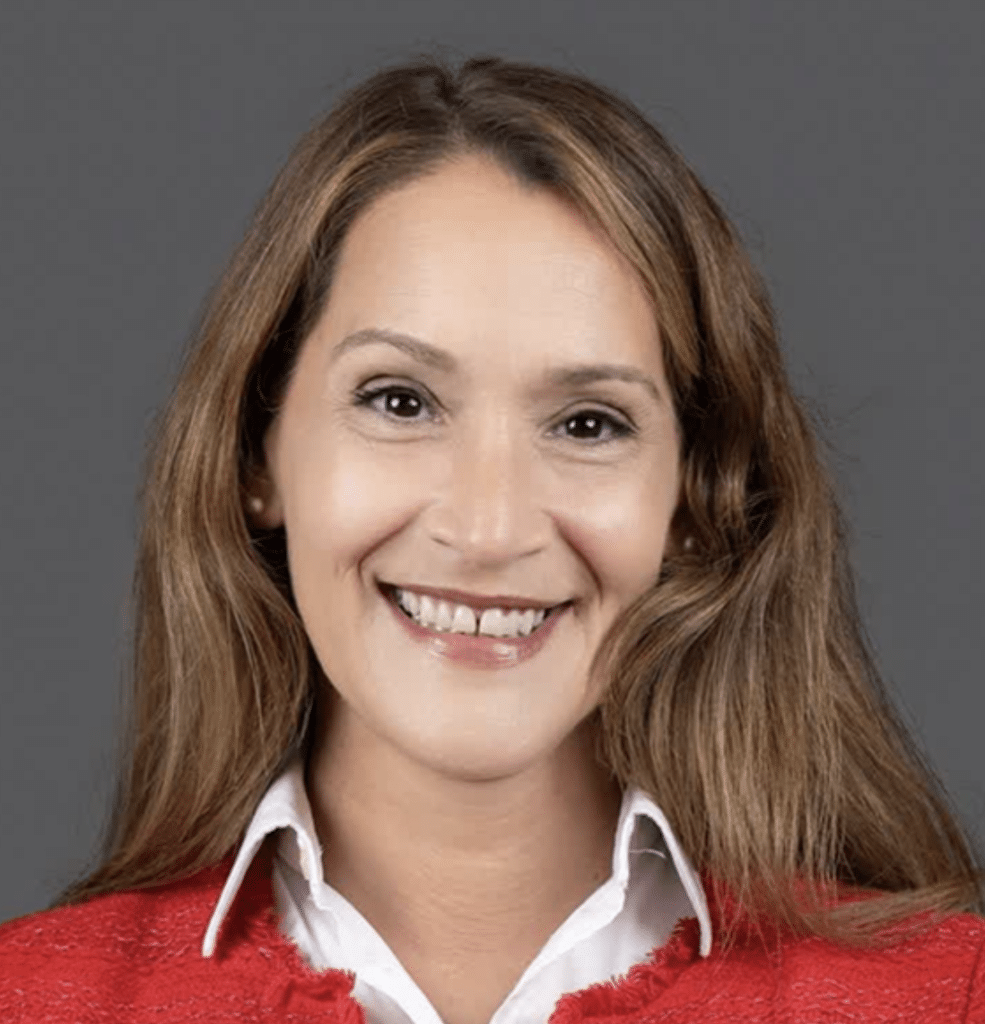
How has your role as COO evolved since joining SCRYPT?
I joined in October 2024 as Chief of Staff and later became COO. Operations was founder led, so I inherited parts of the function while building people, finance, governance, treasury, vendor oversight and regulatory delivery.
The role has since moved from execution towards design and from one entity to a group across several jurisdictions. I now focus on the policies, controls and reporting needed across licensed and applicant entities. The standard remains the same because, in this sector, operations is what protects the licence. The harder discipline is designing processes that work without depending on me.
What are your biggest priorities for SCRYPT’s global operations right now?
My priorities fall into four connected areas. The first is regulatory development, because applications, supervisory relationships and ongoing obligations need an operational foundation managed as a programme. The second is the compliance and AML bench, including a group compliance and MLRO structure reporting to the board.
The third is assurance, since counterparties want evidence through external audit, formal control frameworks and a defensible register of vendors and outsourced services. The fourth is financial production, which means closing each month on time, reconciling bank accounts to invoices and producing information the board can use. These come first because a COO with ten priorities has none.
What trends are you seeing in institutional demand for digital assets?
Institutions are no longer asking whether they should have exposure. They are asking who can custody, settle, report and evidence it to their standard, which has moved diligence from the investment desk to operations, risk and treasury. The focus is now on segregation, insolvency remoteness, key management and reconciliation.
Stablecoins have shifted from being a trade to becoming a settlement rail, so the conversation increasingly concerns payments and working capital. Counterparty concentration is now a board issue, with institutions seeking several regulated providers across jurisdictions with independent balance sheets. Underneath these changes, demand is steadier and less connected to price than many assume.
Where do you see the biggest opportunities for growth in digital assets?
Payments and settlement infrastructure offer the clearest opportunity because moving value across borders remains slow, expensive and opaque for mid sized institutions. Regulated digital rails can solve that without depending on anyone’s market view.
There is also potential in tokenised collateral and short duration instruments, where intraday mobility and programmable margin reduce friction, and in custody combined with regulated yield. Institutions want assets working with clean accounting, tax treatment and reporting. The largest gap is the mid tier institution that cannot justify building internally and will not accept an unregulated provider. Switzerland remains well placed because its regime is mature and tested.
How are regulation and technology changing the way firms operate?
Regulation has brought operations inside the licence perimeter, so outsourcing, IT resilience, incident reporting and record retention are now supervised obligations with deadlines. Operational resilience is therefore a board responsibility rather than an IT preference.
Blockchain settlement continues around the clock, so reconciliation, treasury and monitoring cannot depend on office hours and a final daily batch. Firms must rethink staffing, escalation and architecture, while designing compliance into products from the beginning. Adding controls to a live platform is one of the industry’s most expensive mistakes. Built properly, regulatory capability becomes infrastructure and a genuine competitive advantage.
What does effective leadership look like in today’s financial industry?
Effective leadership means deciding with incomplete information and taking responsibility for the outcome, since waiting for certainty is still a decision and often a poor one. It also means ensuring that bad news travels upward quickly without being managed into a more comfortable version.
Ownership must be clear because most operational failures begin with ambiguity rather than incompetence. Leaders should stay close enough to ask the right questions without taking work back from the person responsible. They should protect people from noise while holding them accountable. Directness matters because telling someone what is wrong gives them something they can fix.
What challenges do women still face in reaching senior roles in finance?
The first challenge is access to roles that lead somewhere, since women remain concentrated in support and control functions while the route to chief executive usually runs through revenue, balance sheet and licence responsibility. Boards then say they cannot find qualified women, even though women were denied the seats where those qualifications are earned. The pool is not empty because it was never properly filled.
The second is sponsorship, because women are mentored generously but sponsored rarely. Mentoring offers advice, while sponsorship puts your name into a room where you are absent and takes a risk. SCRYPT’s founders, Norman Wooding and Sylvan Martin, did that for me by backing my progression from Chief of Staff to COO and a Board seat. Women also pay a credibility tax when directness appears decisive in a man but difficult in a woman. Digital assets has inherited some of traditional finance’s habits.
What needs to change to bring more women into senior leadership roles in finance?
We need to protect access to roles with profit responsibility, regulated accountability and consequences, because future board composition is being shaped by who receives those opportunities today.
Mentoring must become sponsorship, so every senior leader should name the person they put forward and the risk they accepted. Promotion criteria should be published because ambiguity gives bias room to operate. Firms must stop shortlisting from memory, widen who is seen and then select on skill. That is disciplined sourcing, not a lower bar.
Regulated appointments test competence, integrity and capability, so a board that cannot explain its choices has a governance problem before a diversity problem. Senior women should hire on skill, while being visible, explaining how they progressed and encouraging capable people to step forward before they feel ready. Getting through the door is when you become the evidence that somebody else needs.
The image for this article was generated using AI.
