










The Museum of American Finance (MoAF) opened its new exhibit headquarters this month in Boston’s Seaport, bringing its collection of financial history to a new permanent home. The free museum is intended to make finance more accessible, showing how markets and financial institutions shape everyday life.
Traders Magazine caught up with Kristin Aguilera, Deputy Director of the Museum of American Finance, to learn more.

MoAF has not had a permanent exhibit headquarters since leaving 48 Wall Street in New York in 2018. Why was Boston the right place for this next chapter, and what does the new space represent for the museum?
As the nation’s only independent museum dedicated to finance and financial history, our mission is truly national. Therefore, when we began to search for a new permanent location after the Covid-19 pandemic, we expanded our search beyond New York. Our new home in Boston is an ideal fit, as it is situated on the newly redeveloped Commonwealth Pier, which is in a high-visibility area with excellent foot traffic from both locals and tourists. It is also an important location from an historical perspective, as much of the nation’s financial history traces its roots to the Boston Harbor area.
MoAF notes that “finance impacts everyone.” How did that idea shape the new museum and the experience you wanted to create for visitors?
Finance and money are topics that apply to all people, regardless of income, gender, race or nationality because participation in the financial system is not optional. But as an educational institution, we recognize that everyone who visits our Museum is not working from the same financial starting point. They will come in with varied circumstances, goals and knowledge. Therefore, it is our job to meet visitors where they’re at and provide information and tools they can use to take charge of their financial lives, while engaging them in entertaining and interesting exhibit experiences.
What can visitors expect when they walk through the museum, and are there any exhibits or artifacts you are especially excited for people to see?
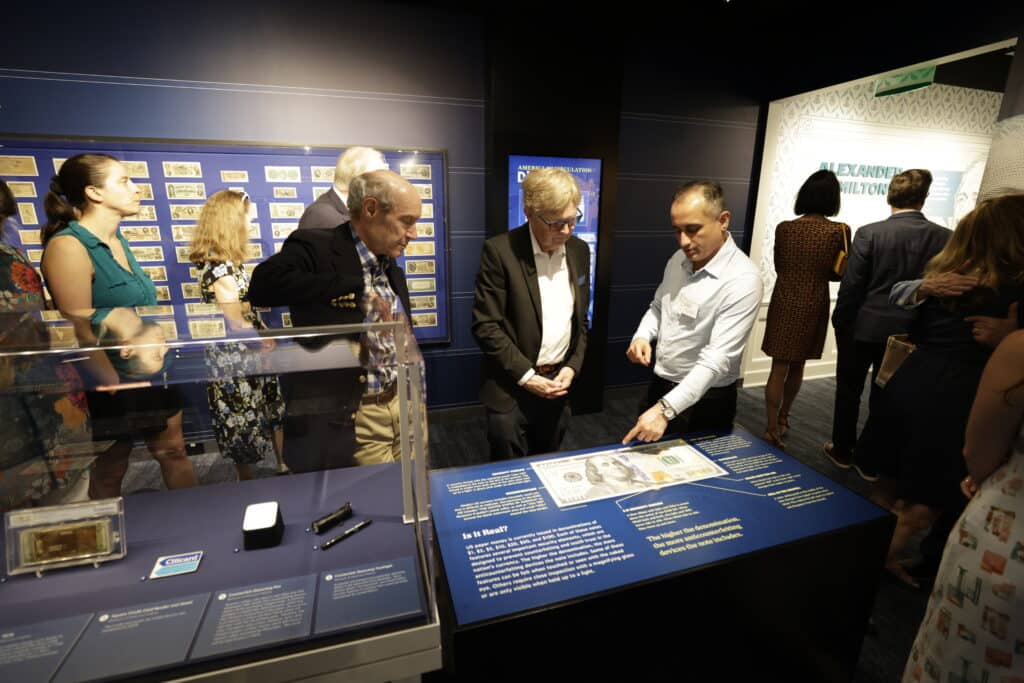
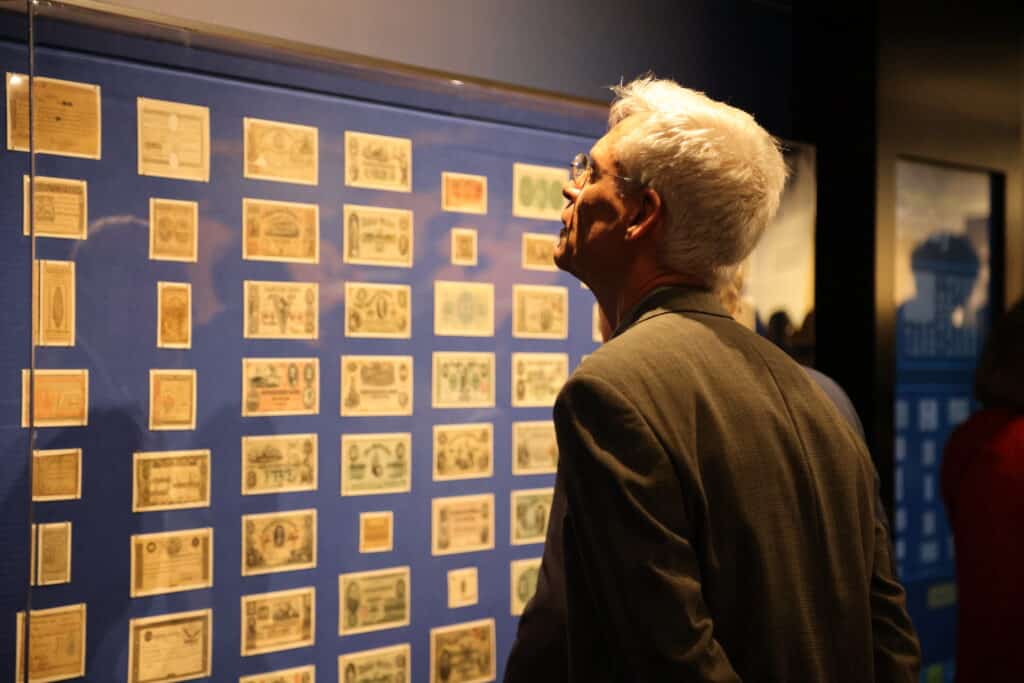
The Museum features seven inaugural exhibits on topics ranging from the history of money to the founding of the US financial system to the digital future unfolding right now. We bring these stories to life through hundreds of rare historical artifacts from one of the world’s most significant collections of financial history, displayed alongside state-of-the-art interactive experiences. The first gallery features our currency exhibit, “America in Circulation,” because money is a topic that most visitors are already familiar with. It’s exciting to watch them experience the incredible artistry and stories behind the hundreds of examples of US paper money in this exhibit—which span over 300 years.
For Traders Magazine readers who work in trading, investing and capital markets, what parts of the museum do you think will be most relevant or interesting?
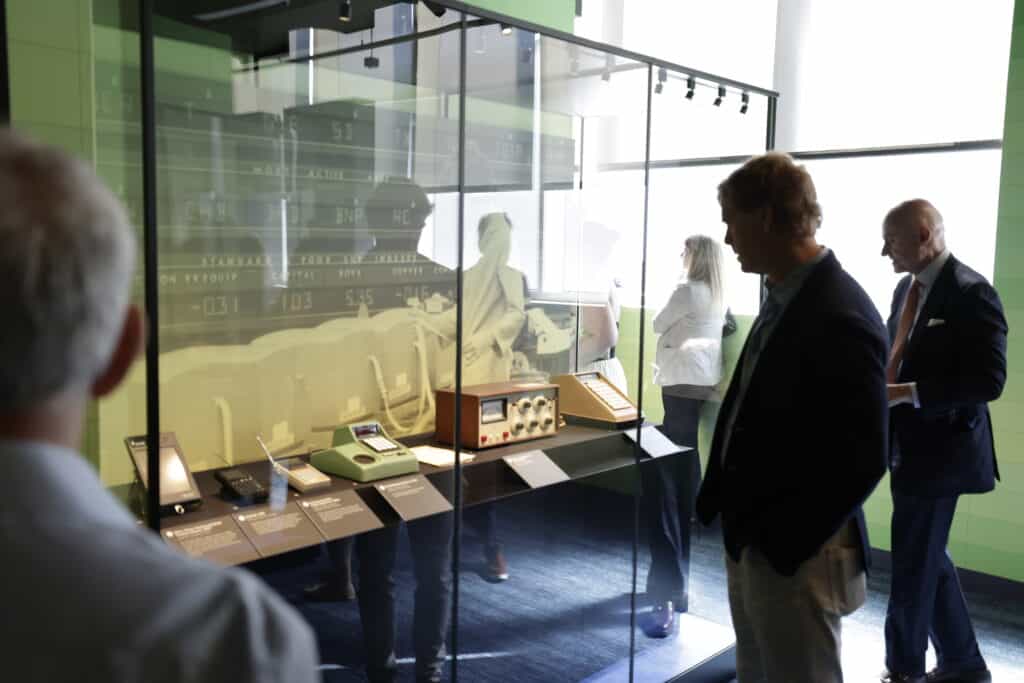
There are three particular areas of the Museum that will stand out to people who work in the financial industry. The first two—which visitors will enter after the money gallery—are the “Alexander Hamilton Experience” and the “Financial Revolution” exhibit, as they lay out the origins of the system they work in every day. Perhaps surprisingly, most people who work in finance have no idea how or why the US financial system was created. In addition, many people who have long tenures in the industry will particularly enjoy “The Future of Finance” exhibit, which among other topics traces financial technology from its earliest years to the present. Many traders find this to be nostalgic, as they see the communication tools they’ve used over the years on display in a museum.
The museum includes exhibits on the founding of the U.S. financial system, the history of financial markets and the future of finance. How do you connect those different parts of the story in one space?
Several financial themes run through the exhibits and connect US history with people’s lives today. The themes are budgeting, credit, debt, investing and risk, and most of the exhibits reinforce these topics by demonstrating that governments, businesses and individuals all need to understand and utilize these tools to be financially successful. The themes culminate in the “Personal Finance” exhibit, which features 10 touchscreen stations that provide an interactive exploration of the tools needed to achieve and maintain a healthy financial life.
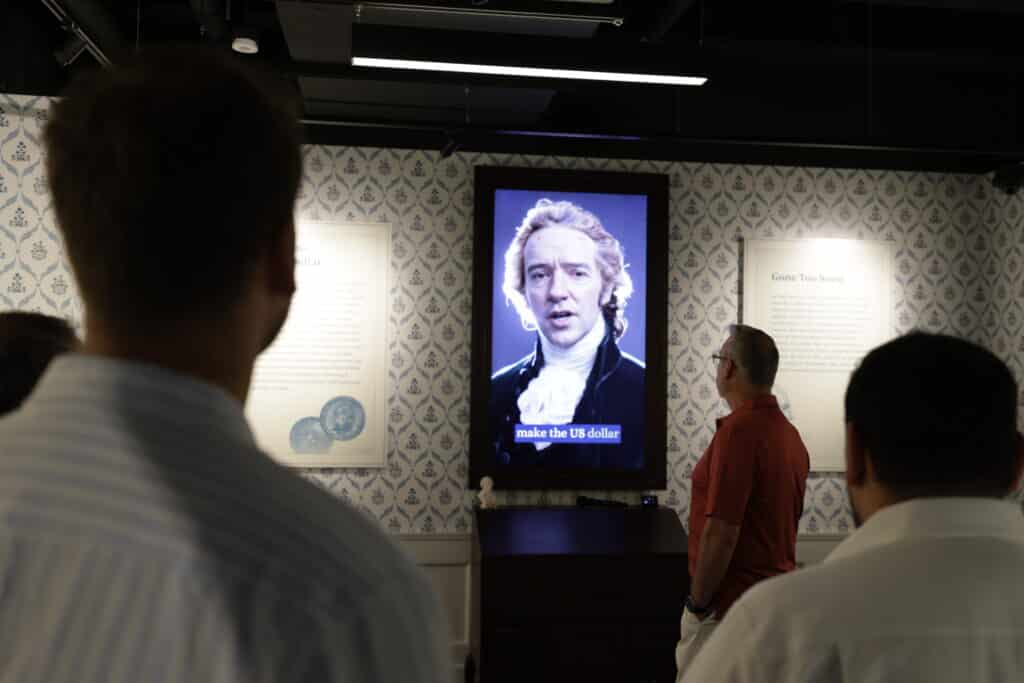
The “Alexander Hamilton Experience” features a multilingual, AI-generated Hamilton that allows visitors to ask questions about finance and related topics. What do you think this kind of technology adds to the way visitors engage with financial history?
This exhibit is proving to be extremely popular with visitors of all ages and backgrounds. We developed it in partnership with the Fidelity Center for Applied Technology, and we have been working with them for nearly two years to ensure the accuracy of Hamilton’s responses to almost any question pertaining to finance and economics. One of the best features is his ability to understand and speak dozens of languages, from Spanish to Swahili. So whatever languages our visitors speak, they will have no problem engaging with this exhibit. It’s really a memorable experience.
The “Future of Finance”exhibit looks at blockchain, digital assets, tokenization and fintech. What do you hope visitors take away from seeing these newer areas placed within the broader history of American finance?
This exhibit really breaks down these topics into understandable concepts using videos and touchscreen interactive experiences. Nearly everyone today has heard of crypto, blockchain and tokenization, but very few people understand what they are or why they should care about them. For example, this exhibit traces the history of ledgers from one of the earliest federal budgets created by Alexander Hamilton to today’s blockchain technology, and it demonstrates why and how ledger technology evolved. Once these concepts are broken down into simple language with engaging visuals, they are actually quite easy to understand.
The museum is free to the public and has a strong focus on financial literacy. Why was accessibility such an important part of this opening?
Creating a Museum that is free and eliminating barriers to entry was a top priority as we looked for a new physical space. We learned from years of charging an admission fee in New York that the people who most need access to the information provided in our exhibits and programs are the least likely to be able afford an admission charge. We also know that finance can be intimidating, particularly to people who feel they are not part of the system, so we wanted to create a very welcoming environment where everyone who visits feels they belong. Our long-term goal is to make a real impact on the level of the nation’s financial literacy.
