









Taurus, a regulated Switzerland-based provider of digital asset infrastructure technology provider, was granted an investment firm license under MiFID regulation in May this year by the Cyprus Securities and Exchange Commission.
Sébastien Dessimoz, co-founder and managing partner at Taurus, told Markets Media that Taurus was founded in 2018 and authorized by the Swiss regulator, Finma, in 2021.
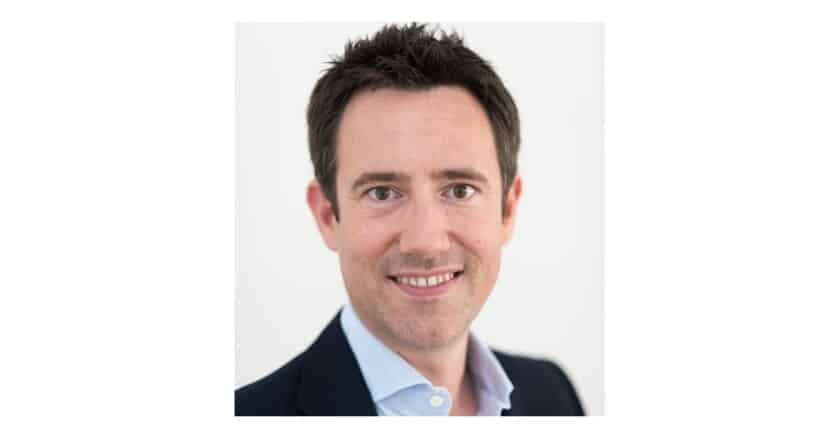
“When we founded Taurus, we had a vision of convergence between the worlds of traditional finance and digital assets,” said Dessimoz. “It was clear to us that digital assets, crypto and tokenized securities would become fully regulated and institutions would enter the space.”
After becoming regulated in Switzerland, Dessimoz said the next logical step for Taurus was to expand its regulated financial services business in Europe, and the firm opened an office in Cyprus two to three years ago. The new license gives Taurus a fully regulated presence across the 27 markets in the European Union, allowing it to provide MiFID services including tokenized DLT financial instruments.
Dessimoz said the MiFID license is an important step in the firm’s European strategy. He added: “It allows us to support EU-based entities within a clear regulatory framework as they scale their digital and tokenized asset activities.”
He argued that the regulatory licenses are a differentiator for Taurus, as well as the quality of its technology and its focus on serving institutional and banking clients, with for example, more than 40 banks as clients. Dessimoz said: “We are one of the first fully regulated brokers for all types of digital assets, including tokenized securities.”
For example, the firm has expanded its custody solution, Taurus-PROTECT, with broader chain and protocol coverage, more staking options, and new automation capabilities and launched Taurus-NETWORK to give clients a faster and more controlled way to settle transactions and manage collateral in real time.
Collateral
Dessimoz said shares of money market funds can be posted as collateral, but clients have had difficulty posting intraday collateral, which tokenization can solve.
Nasdaq said in a report, Making the Case for Tokenized Collateral, that the average firm manages approximately $74bn in total collateral across all activities, from listed to over-the-counter derivative margining to repos and securities lending.
However, the report said this management is plagued by friction, especially as manual processes undermine delivery. Operational costs for over-the-counter (OTC) derivatives and securities financing transactions (SFTs) have risen to represent 57% and 50% of total trade costs, respectively.
“More than two-thirds (70%) of respondents face significant issues in settlement matching and delivery every day,” added Nasdaq. “Firms simply do not have the confidence that their collateral will arrive because of manual-based risks and delivery, from matching to exception handling.”
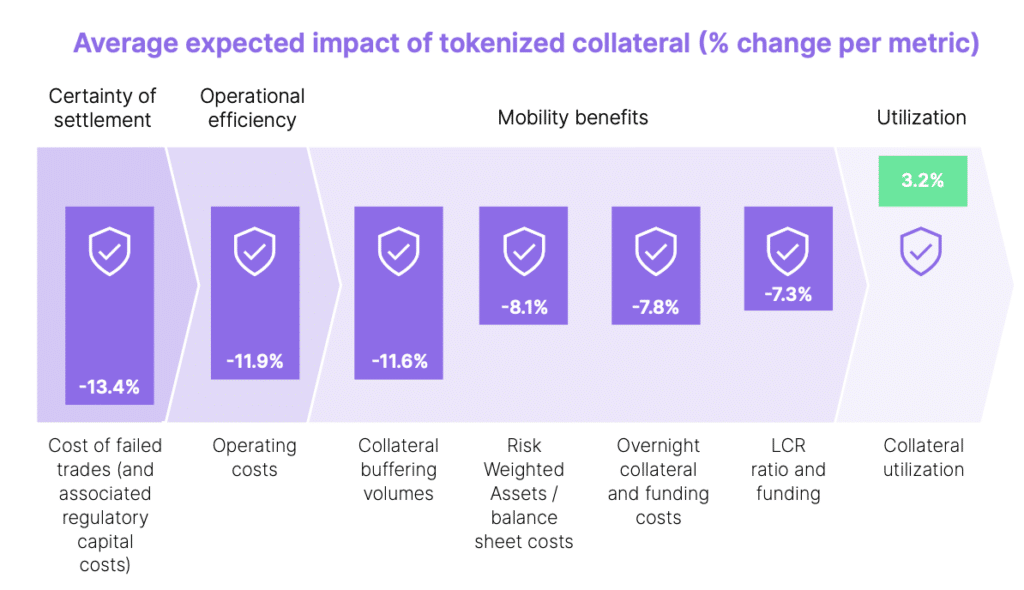
Tokenization delivers “certainty of delivery at a specific moment in time,” serving as the catalyst for a wide-ranging domino effect across the organization, according to the survey. Nasdaq said: “Firms expect tokenization to help them avoid approximately 1 in 8 failed trades today (a 13.4% reduction).”
Dessimoz highlighted there is also interest in tokenizing less liquid funds, typically private equity or alternatives funds, to offer liquidity in secondary markets; and private markets, where issuers cannot easily access traditional capital markets. He added there are also many interesting signals in the field of digital currencies.
“Two or three years ago, it was mainly about classical stablecoins, but now we see very interesting alliances for tokenized deposits and different types of digital money and our mission is to make sure that we provide access to all those ecosystems,” he added. “It is very important that the tokenization of money and securities move at the same stage to ensure delivery-versus-payment settlement.”
Dessimoz described Taurus’ growth strategy as very simple: which is to take care of the heavy lifting of building infrastructure, connectivity and technology so clients can build their digital asset businesses. He said: “Nobody knows which blockchain is going to be the winner and regulatory standards are moving everywhere. We are still in a fresh environment with a lot of growth potential.”
