









The concept of a 24/7 capital market is moving from crypto experiment to financial reality. As assets become tokenized, collateral turns digital, and settlement becomes near-instant, markets won’t “close”, according to David Mercer, CEO of LMAX Group. In this conversation with Traders Magazine, Mercer explores why institutions are finally leaning into continuous markets, and how tokenization could blur the lines between asset classes for good.
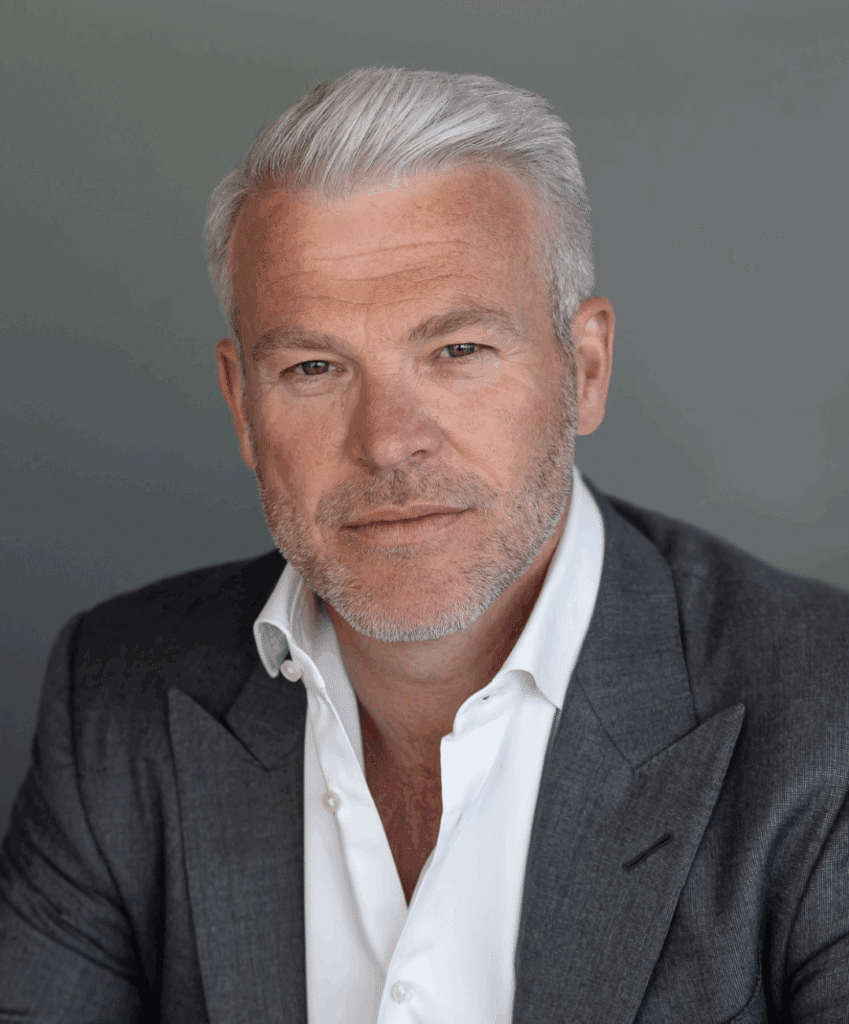
What will a 24/7 capital market mean for equity trading as assets become tokenized and settlement becomes real-time?
As assets become tokenized, we’ll move to true real-time exchange of ownership – seconds instead of days – the end of fragmented trading hours and batch processing for equities. It fundamentally changes the rhythm of markets and will inject a new level of continuous efficiency, collateral management, capital utility and liquidity into the market. The transformation is about speed, transparency and breaks down traditional asset classes.
We’ve seen this dynamic in crypto already; it’s a preview of what’s coming for equities. A 24/7 capital market across all asset classes means markets that never close – continuous price formation, constant liquidity and more efficient allocation of capital.
How are institutional clients approaching the shift toward more continuous, around-the-clock markets?
Institutional clients are progressing from cautious observation to active engagement, driven primarily by demand. They are currently focused on familiar plumbing—namely, credit intermediation, trusted custody solutions and regulated, institutional-grade execution venues to seamlessly integrate digital assets without having to completely overhaul their trading behaviours or infrastructure.
Some are doing this directly; others through trusted partners using shared APIs and segregated accounts. The direction of travel is clear: 24/7 market access is moving from innovation to execution, clearing, custody and private wealth solutions in institutional finance.
How do you interpret the SEC’s reported plans to allow blockchain-registered stocks on crypto exchanges?
The move is a signal that regulators are seriously contemplating the fusion of traditional equities with digital asset market structure, lending crucial legitimacy and trust which will be a significant catalyst for further institutional participation and the ultimate mainstreaming of tokenized assets.
It validates what we have said for years: tokenisation isn’t a fringe experiment; it’s the future of market infrastructure. All securities will be tokenised within a decade and new issues, well before then. Tokenisation will remove resource friction in capital markets.
In a world of tokenized equities and fungible collateral, what new liquidity dynamics do you expect to emerge?
We expect a fundamental shift towards deeper, more resilient liquidity. The ability to use collateral fungibly across assets combined with instant settlement and yielding possibilities will unlock capital that is currently trapped in legacy T+2 or T+3 settlement cycles. We’ll see far greater fluidity as settlement risk and pre-funding requirements fall away, with stablecoins and tokenized money-market funds acting as the connective tissue between markets. Ultimately, leading to greater capital efficiency and a tighter, more active order books for tokenized assets. The result is higher trading volumes and more capital flowing across the global financial system, as the velocity of money, digitized and fiat, accelerates.
As real-world assets become tokenized, what’s the future role of exchanges like LMAX in bridging institutional demand with on-chain infrastructure?
Our role is to be the leading cross-asset marketplace to a tokenized future. As real-world assets move on-chain, we’ll continue to provide the trusted infrastructure that institutions expect – secure, seamless, low-latency and with deep liquidity pools – whether blockchain-based or fiat. The role of the exchange doesn’t disappear; it evolves to bridge traditional financial institutions with the new on-chain and tokenized infrastructure.
What operational changes will institutions need to make to thrive in a 24/7 trading environment?
It starts with mindset. Risk, treasury and settlement teams need to think in continuous rather than discrete cycles. Operationally, that means building round-the-clock collateral management, integrating trusted digital custody solutions, accepting stablecoins and other digital collateral, and ensuring AML/KYC processes run in real-time.
We’ll also see new forms of digital prime brokerage emerge to manage liquidity and credit across venues. Those who can manage risk and liquidity continuously will capture the flows others can’t.
