









At SIFMA’s 2025 Annual Meeting on Tuesday, October 21, Ronald J. Kruszewski, Chairman of the Board and Chief Executive Officer, Stifel and Incoming 2026 Chair of the SIFMA Board of Directors, laid out a broad agenda for financial regulation, urging policymakers to modernize outdated rules while keeping investor trust and access at the center of reform.
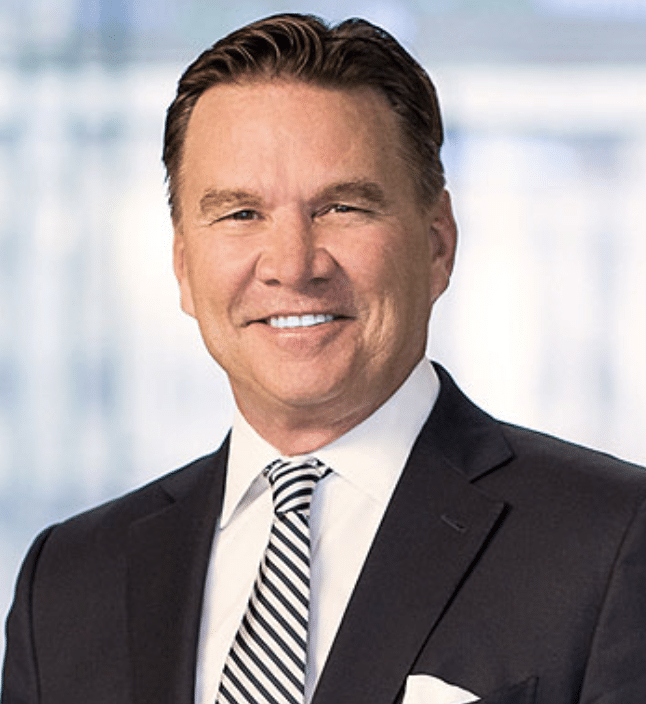
He began with what has become one of the most drawn-out regulatory debates in the industry: the fiduciary rule. “It’s been 15 years,” he said, recalling the Department of Labor’s original 2010 proposal to expand who qualifies as a fiduciary. That effort has since evolved into a prolonged and still-unresolved policy struggle, he said, adding that SIFMA’s goal remains straightforward: preserve investor choice and access to advice. But that clarity, he warned, is undermined when multiple regulators, including the SEC, DOL, and FINRA, attempt to govern overlapping aspects of financial advice.
From there, he moved into the complex issue of recordkeeping, especially as it relates to off-channel communications. Kruszewski criticized enforcement actions that penalized firms for texts as simple as confirming dinner plans, calling the approach a regulatory overreach rooted in outdated assumptions. “These were business texts,” he said. He emphasized that current recordkeeping rules “were written when paper and email weren’t even around” and “don’t fit a world of texts, chats, and social media.” He emphasized the need to modernize these standards by eliminating unnecessary rules, establishing safe harbors, and harmonizing expectations across the industry. The goal, he said, is to align regulation with how people actually communicate—using “clarity, consistency, and a little common sense.”
Kruszewski also addressed the SEC’s new Treasury clearing mandate, which aims to reduce systemic risk. While he acknowledged the intent, he warned that the rule touches “the deepest and most liquid market in the world” and could have unintended consequences if implemented poorly. SIFMA, he said, has been working closely with regulators and market participants to make the rule more practical and emphasized the need for further clarity on several technical points. The challenge, he said, is to “enhance stability and transparency while preserving efficiency and liquidity.”
He turned next to the outdated rules surrounding electronic delivery of documents. Many of these rules, he noted, haven’t been updated “in over a quarter of a century” and were designed for a world of physical mail. Today’s investors expect digital access to their financial information, and Kruszewski advocated for making e-delivery the default. Paper delivery, he said, should still be available — but only upon request. Updating the rules, he argued, would reduce costs, enhance security, and improve the overall investor experience. “We don’t need to kill so many trees,” he added.
The conversation then shifted to the Consolidated Audit Trail (CAT), which Kruszewski described as a good idea that has expanded too far. He took issue with the volume of personal data collected under the current framework, calling it costly and potentially intrusive. “Oversight should never come at the expense of investor trust or market efficiency,” he said. He stressed that “privacy is not partisan, it’s constitutional,” noting that just as law enforcement can’t search every home without probable cause, “regulators should not have open access to every investor’s personal data.” He called for reforms to balance necessary oversight with protecting investor trust and privacy.
On capital requirements under Basel III, Kruszewski again made the case for balance. Strong, well-capitalized banks are essential, he said, but overly restrictive rules risk choking off credit and pushing lending into the less-regulated corners of the financial system. “If they’re set too high, they’ll just strangle the economy,” he warned. SIFMA, he said, supports resilient banks — but also rules that allow banks to lend and support growth.
He also raised concerns about the shrinking public markets, pointing out that companies today are deterred from going public due to cost and complexity. Kruszewski pointed out that companies are deterred from going public by the growing complexity of disclosure requirements, saying, “I sit in boardrooms. I’m not going public. I’m not taking what used to be a 20-page prospectus—that’s now 400 pages.” He added that SIFMA supports “modernizing disclosures and retiring the two-decade-old research settlement rule” to encourage more IPOs and provide better coverage, especially for small and mid-cap companies.
Arbitration, too, came under scrutiny. “The system’s broke,” he said. While arbitration remains useful for small-dollar disputes, he argued that it’s no longer appropriate for complex, high-value cases. He urged reforms that would introduce alternative forums with discovery and more formal adjudication. SIFMA, he added, has already begun conversations with FINRA on the issue.
On digital assets, Kruszewski said the policy conversation had moved from the margins to the mainstream. “Stablecoins represent the digitization of cash. Tokenization is the digitization of everything else,” he said. These technologies, he argued, could improve settlement, enhance transparency, and reduce friction — but only if they’re built on trust. That includes segregation of funds, independent audits, and the enforcement of long-standing protections around conflicts and duties.
He also mentioned the results of SIFMA’s 2025 VISTA (Voice of Investor Satisfaction, Trust, and Advocacy) Investor Survey conducted with KPMG. The findings showed strong overall confidence in the financial industry, with eight in ten investors satisfied and seven in ten believing their advisors act in their best interest. But beneath that confidence, Kruszewski noted a growing generational divide. “Three quarters of baby boomers say performance matters most. One third of Gen Zers, only a third of Gen Zers, talk about performance. They want immediacy, transparency, and control. They like speed and access, and they prefer to invest on their own.”
According to Kruszewski, “technology has opened the doors to finance wider than ever, but has also brought impulses of gambling into the world of investing… The line between investing and gambling is blurring.” With the rise of prediction markets and zero-day options, the investing landscape is increasingly infused with short-term, speculative behavior, he said. “The art of investing is beginning to share space with the dopamine rush of speculation,” he warned. His message to young investors was clear: understand the difference between compounding and consumption. “That is the foundation of success,” he said, adding that some truths don’t need algorithms to prove them.
