









As Managing Director, Global Head of Data & Analytics and CEO of Eagle Investment Systems, Julie Gerdeman is focused on building a modern data culture at BNY. She spoke with Traders Magazine about her leadership approach, the evolving role of data in finance, and why curiosity is key to navigating change.
What does your day-to-day look like as Managing Director & Global Head of Data & Analytics — what are your top priorities, metrics, and responsibilities?
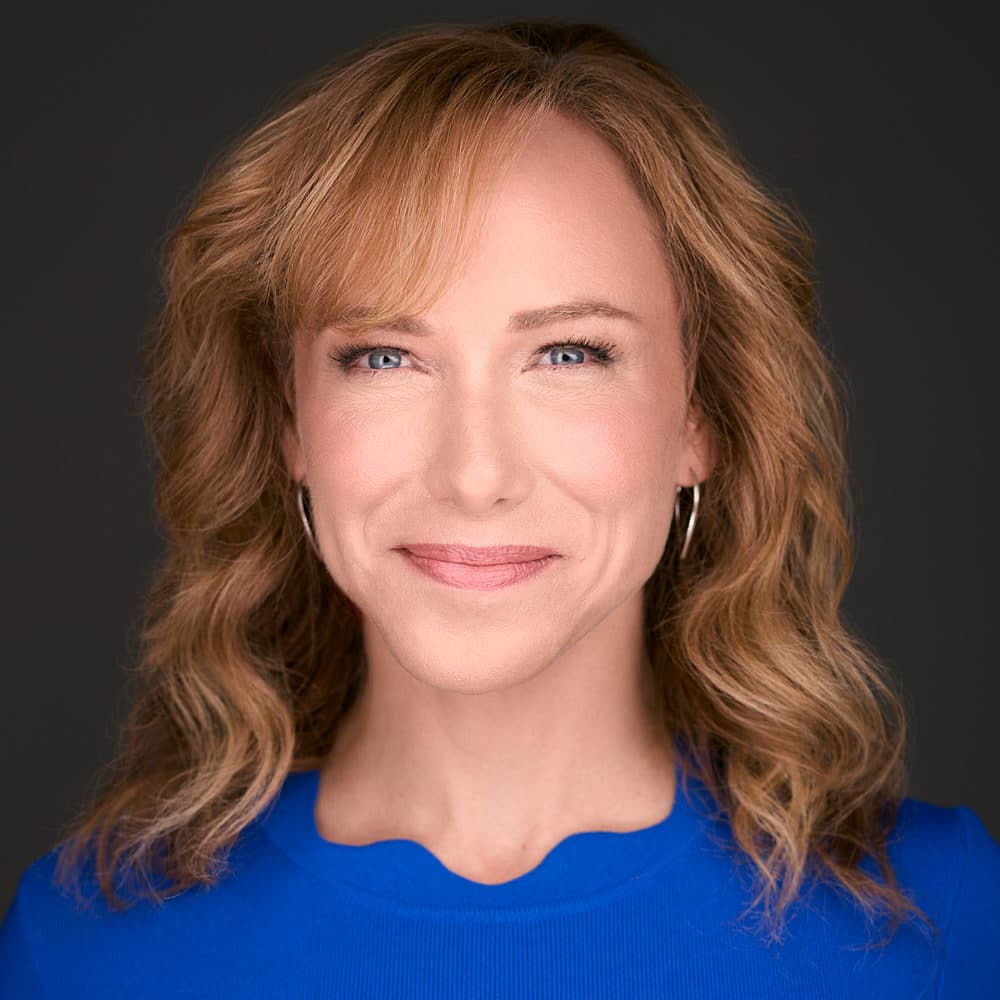
I can summarize my priorities succinctly – growing the business globally, delivering exceptional data and analytics products and services to BNY clients, and building a high-performing team supported by a culture where transparency, accountability, and collaboration is both expected and rewarded. But describing a typical day is much harder, because truly no two days are the same. I get tremendous energy from being with people who are passionate about creating solutions to problems – so the best days are when I’m visiting our offices around the world and meeting with my team members – hearing what’s good, what we can improve, and what gets them excited to come to work every day. And the same with clients – listening to their challenges, co-innovating, and learning, in their words, how we’ve helped them.
As for metrics, as a SaaS company, we are focused on recurring revenue growth and client satisfaction – as measured by CSAT and net promotor score – “would you recommend us to a colleague?” We are relentlessly focused on net revenue retention, which shows how we are expanding our relationships with existing clients. When a client continues to add new business, that’s the ultimate indicator of client satisfaction.
Coming from the tech and startup world — including your time as CEO of Everstream Analytics — what leadership lessons have translated well into your current role at BNY?
First, you have to remember that being a leader is a privilege. You shape the culture of the organization. For me, that means an environment where everyone understands how they contribute to our purpose and goals, they feel a sense of belonging…of community….and a sense of pride in their work. It may sound simple, but today’s business climate requires enormous resiliency, and leaders must foster that by encouraging open collaboration and trust, experimentation, and smart, measured risk-taking. An organization where people are afraid to make mistakes or deliver the bad news will not thrive – or even survive – in the long term.
Have there been mentors, networks, or strategies you found especially helpful along your own path?
I’ve been fortunate to learn from exceptional mentors and tap into powerful networks throughout my career, but what has really helped me forge my path is curiosity. By asking questions and diving into subjects outside my comfort zone, I’ve unlocked doors I never even knew existed. This mindset aligns directly with our BNY principle to “Stay Curious.” When we are curious, we spark progress—for ourselves, our teams, and our clients—challenging assumptions and uncovering new ways to solve problems. Curiosity has been the compass that has guided me to new opportunities and helped me grow as a leader.
In your experience, what are the biggest challenges asset managers or financial institutions face in turning raw data into actionable intelligence – and how do you advise overcoming them?
It’s a complex challenge, but you can distill the hurdles into three core themes: data quality and governance; dated and fragmented technology; and organizational readiness to align around and adopt a data-centric operating model. Overcoming these challenges requires cross-functional data governance with clear data owners, standard taxonomies, and automation to support data quality checks – with a recognition that “fit for purpose” means different things to different consumers. As for technology, modernization is key – a modular, cloud-native platform with open APIs is a must have. And finally, a change mindset is critical. For organizations that are lower on the data maturity curve, it’s fine to start small. Identify a data domain where you can prove out the pattern, focus on high-impact quick wins, and celebrate the success. These are commonly multi-year initiatives that completely transform the organizational operating model – so it’s important to have milestones to achieve along the way to maintain momentum and justify the investment.
What role do you see cloud infrastructure, hybrid architectures, and ‘data fabrics’ playing in the evolution of investment data platforms?
Cloud infrastructure provides the elastic foundation to build upon – a robust catalog of infrastructure services and built-in redundancy, resiliency, and security capabilities that provide assurance that data will be available and protected. But the reality is that most investment data platforms today are hybrid architecture, bridging on-premise or private cloud applications with public cloud, to meet regulatory, internal security, and data residency requirements without sacrificing innovation. The data fabric weaves together the disparate data stores – with metadata-driven governance, lineage, and data quality checks – to present a single, logical layer that business users can discover, query and join regardless of physical location. When you combine the scalability and managed-service richness of the public cloud, the control and compliance benefits of a hybrid footprint, and the metadata-powered integration of a data fabric, the end product is an investment data platform that’s open, elastic and secure – ready to support advanced analytics, decision making, and rapid product innovation.
Strategic partnerships seem key to innovation in your space – whether with cloud providers, fintechs, or data platforms. What makes a partnership truly impactful from your perspective?
Approximately 30-40% of investment managers in financial services are currently undertaking or planning significant operating model transformations, with data at the center. In my experience, there is optimal mix of partners that can architect a proper data foundation – enterprise technology providers like Microsoft or AWS providing the cloud infrastructure and ability to meet data residency requirements in emerging markets; consultant partners that bring expertise in designing the operating model and change management; and the fintech that provides the data platform and domain expertise. When you have that combination, along with a shared vision and a value proposition that clearly articulates how you win together – with joint goals and metrics – that’s when you can deliver exponential market impact.
Looking ahead, what excites you most about the future of finance and data analytics?
I’m extremely excited about the potential for AI to transform finance. Today, we’re using AI to simplify data onboarding, governance, and migration activities with chatbots that assist with the creation of data models and data quality rules. AI is augmenting our staff, enabling them to focus on higher-value tasks by reducing manual workloads and error rates. Now we’re starting to see real-time data streams and AI converge to turn massive volumes of data into predictive insights. As AI technologies continue to mature, we’ll see shifts from discrete automation projects to more comprehensive, AI-enabled platforms. Imagine anticipating market shifts before they happen…hyper-personalizing client experiences at scale…reimagining entire processes in the investment lifecycle. We’ve really just scratched the surface.
What advice would you offer women who aspire to senior roles in finance and technology?
One word – courage – and particularly as it relates to adapting to change. My organization is going through a major transformation in our operating model that will help us break down silos, streamline delivery, and prioritize more effectively – all positive outcomes but requiring very different ways of working. When we launched, I had just read a powerful book by Margie Warrell, called The Courage Gap – all about the endless possibilities when you have the courage to embrace change. This quote really stayed with me – “The fearful mind creates the gap. The brave heart closes it.”
